That stain won’t budge. You’ve scrubbed. You’ve sprayed.
You’ve cursed the carpet gods.
And still it sits there. Ugly, stubborn, mocking you.
I’ve seen this exact moment a thousand times. Not in theory. Not in a lab.
On real floors, in real homes, with real coffee spills and pet accidents and that weird yellow haze no one talks about.
This isn’t another vague list of “tips.”
It’s a working How to Clean a Carpet Livpristwash guide. Tested on thousands of carpets over years.
You’ll know exactly which method fits your mess. DIY or pro. Surface or deep.
Fast fix or full reset.
No fluff. No guesswork. Just what works.
And why it works. And when to stop wasting time on the wrong thing.
You’ll walk away knowing your next move.
Not just how to clean (but) how to fix.
The Pro’s Checklist: What to Do BEFORE You Clean
I skip prep all the time.
Then I wonder why my carpet looks worse after cleaning.
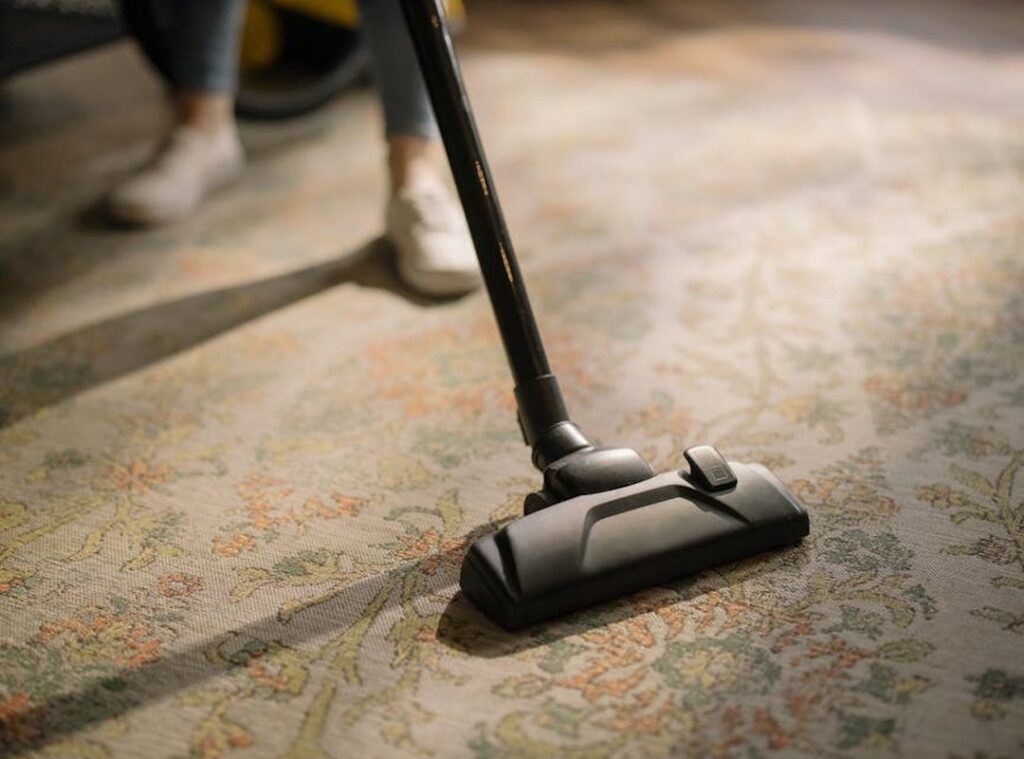
Vacuum first. Not once. Twice.
Dry soil turns to mud when you add water. That mud gets pushed deep into the fibers. You’re not cleaning.
You’re setting stains.
What kind of carpet do you have? Nylon? Polyester?
Wool? this article works differently on each. Wool yellows with alkaline cleaners. Nylon handles more pH range.
You must know before you squirt anything.
Stains lie to you. That red wine spill isn’t just “red.” It’s tannin-based. Grease is oil-based.
Pet urine is organic. Treat them the same and you’ll set them deeper.
I keep a cheat sheet taped to my vacuum handle. Organic = enzyme cleaner. Oil-based = solvent or citrus-based.
Tannin = acidic solution (like diluted white vinegar).
How to Clean a Carpet Livpristwash starts here (not) at the machine. If your carpet’s synthetic, skip vinegar. If it’s wool, skip bleach.
Always.
Pro tip: Test any cleaner in a corner nobody sees. Wait 10 minutes. Check for color lift or texture change.
It takes 20 seconds. Saves hours of regret.
First Aid for Carpets: Spills Happen. Fix Them Fast.
I’ve spilled coffee on three rugs and wine on two. Not proud of it. But I am proud I didn’t ruin any of them.
Spills don’t wait for perfect timing. Neither should your response.
Blot, don’t rub. Rubbing pushes the stain deeper and frays fibers. It’s like dragging a fork across velvet. Why would you?
Grab a clean white cloth. Press down. Lift.
Repeat. Don’t slide. Don’t twist.
Just absorb.
You’re not cleaning yet. You’re stopping the damage. That’s step one.
Everything else depends on it.
For most fresh spills. Coffee, juice, mud. Mix 1 part white vinegar with 2 parts cool water.
Spray lightly. Blot again. Vinegar breaks down organic gunk without bleaching (unlike bleach, which will eat your carpet).
For stink (pet) accidents, old spills, mystery funk (sprinkle) baking soda thick. Let it sit overnight. Vacuum.
Done. It neutralizes odor at the source. Not masking.
Neutralizing.
Don’t drown the carpet. Soaking the backing invites mold. And yes (I’ve) seen it happen in basements and rentals alike.
Stop when the stain stops lifting. If it’s been there more than 24 hours? Or covers more than a dinner plate?
Put the vinegar down.
Store-bought “miracle” sprays often contain harsh solvents. They strip dye, leave sticky residue, and sometimes make stains permanent. I tried one.
Regretted it. Threw it out.
These DIY fixes are first-response tools. Not magic wands.
They work great for fresh, small messes. They won’t erase a red-wine flood from last Thanksgiving.
How to Clean a Carpet Livpristwash starts here. But it doesn’t end here.
If the stain stays after two blotting rounds? Call a pro. Or rent a real extractor.
Not a steam mop. A carpet extractor.
Deep Cleaning: Steam, Dry, or Shampoo? Let’s Settle This
I’ve cleaned carpets in apartments, rentals, and my own living room after a toddler spilled juice and glitter.
None of that DIY vacuuming nonsense counts as deep cleaning. You know it. I know it.
So here’s what actually works.
Hot Water Extraction is what pros call “steam cleaning.” It’s not steam. It’s high-pressure hot water + cleaning solution blasted into the carpet fibers (then) sucked back out with industrial power.
It pulls out dirt, pet dander, mold spores, and that weird smell your rug has had since 2019.
Pros? Deepest clean you’ll get. Removes allergens.
No sticky residue.
Cons? Takes 6. 12 hours to dry. Not ideal if you’re hosting dinner tonight.
Dry cleaning uses chemical compounds and almost no water. Think “low-moisture” (not) “dry” like air.
It dries in under two hours. Great for offices or quick turnarounds.
But it barely touches deep-down grime. If your carpet looks dull or feels gritty? Dry cleaning won’t fix that.
I go into much more detail on this in Home washing advice livpristwash.
Carpet shampooing? Yeah, that old rotary machine with the foamy goo.
It leaves behind sticky residue that attracts more dirt faster. That’s why your carpet gets dirty again in three weeks.
Most residential carpets need Hot Water Extraction. Not maybe. Not sometimes. Most times.
It’s outdated. Skip it.
That’s why it’s the industry standard (not) because someone decided it sounded fancy, but because it works.
If you’re trying to figure out How to Clean a Carpet Livpristwash, start there.
For real-world tips on technique, drying time, and avoiding common mistakes, check out this Home Washing Advice Livpristwash guide.
I once ran a dry-clean-only rug through hot water extraction. It survived. Barely.
Don’t guess. Don’t wing it.
Use the right method for the job.
Not every carpet needs a full soak.
But most do.
Livpristwash Isn’t Magic. It’s Mechanics
I’ve watched people rent a machine, blast their carpet with 120°F water, and call it a day.
Then wonder why the stain came back in three days.
Professional truck-mounted gear hits 220°F. Rental units top out at 140°F. That extra heat breaks down oils and grime.
Not just moves them around.
Pressure matters too. Pros use 500+ PSI. Rentals?
Usually under 100. You’re not cleaning (you’re) just wetting.
Suction is where most fail. Truck mounts pull twice the air volume. Less moisture left behind means no mold risk.
No wicking. No re-soiling.
I don’t use generic cleaners. Ours are plant-based, pH-balanced, and tested safe for kids and dogs. (Yes, I’ve spilled some on my toddler’s rug.
Nothing happened.)
A trained tech checks fiber type first. Wool? Nylon?
Stain-resistant coating? Guessing ruins carpets. Over-wetting does too.
So does leaving residue that attracts dirt like glue.
You want cleaner air. Longer carpet life. Less vacuuming next month.
That’s why “How to Clean a Carpet Livpristwash” starts with knowing what not to do (and) who actually knows how to do it right.
How to Wash Laminate Floors Livpristwash
Your Carpets Deserve Better Than a Rental Machine
I’ve seen what DIY carpet cleaning really does. It moves dirt around. It leaves residue.
It drowns your padding.
You already know that. You’ve tried the shampooer. You’ve scrubbed spots by hand.
You’ve waited for stains to come back.
Professional cleaning isn’t just stronger. It’s smarter. Safer.
Longer-lasting.
And it starts with knowing how (not) just grabbing whatever’s on sale. That’s why How to Clean a Carpet Livpristwash matters. Not as a buzzword.
As a real answer.
You want clean carpets that stay clean. Not a quick fix that fades in two weeks.
So skip the guesswork. Skip the soggy padding. Skip the repeat bookings.
Get a free quote today. No pitch. No pressure.
Just honest advice and real results. You’ll see the difference before the technician leaves.
 Interior Styling Consultant
Agnes Pakenzone has opinions about room-specific cleaning techniques. Informed ones, backed by real experience — but opinions nonetheless, and they doesn't try to disguise them as neutral observation. They thinks a lot of what gets written about Room-Specific Cleaning Techniques, Home Care Strategies and Fixes, Interior Styling Ideas and Trends is either too cautious to be useful or too confident to be credible, and they's work tends to sit deliberately in the space between those two failure modes.
Reading Agnes's pieces, you get the sense of someone who has thought about this stuff seriously and arrived at actual conclusions — not just collected a range of perspectives and declined to pick one. That can be uncomfortable when they lands on something you disagree with. It's also why the writing is worth engaging with. Agnes isn't interested in telling people what they want to hear. They is interested in telling them what they actually thinks, with enough reasoning behind it that you can push back if you want to. That kind of intellectual honesty is rarer than it should be.
What Agnes is best at is the moment when a familiar topic reveals something unexpected — when the conventional wisdom turns out to be slightly off, or when a small shift in framing changes everything. They finds those moments consistently, which is why they's work tends to generate real discussion rather than just passive agreement.
Interior Styling Consultant
Agnes Pakenzone has opinions about room-specific cleaning techniques. Informed ones, backed by real experience — but opinions nonetheless, and they doesn't try to disguise them as neutral observation. They thinks a lot of what gets written about Room-Specific Cleaning Techniques, Home Care Strategies and Fixes, Interior Styling Ideas and Trends is either too cautious to be useful or too confident to be credible, and they's work tends to sit deliberately in the space between those two failure modes.
Reading Agnes's pieces, you get the sense of someone who has thought about this stuff seriously and arrived at actual conclusions — not just collected a range of perspectives and declined to pick one. That can be uncomfortable when they lands on something you disagree with. It's also why the writing is worth engaging with. Agnes isn't interested in telling people what they want to hear. They is interested in telling them what they actually thinks, with enough reasoning behind it that you can push back if you want to. That kind of intellectual honesty is rarer than it should be.
What Agnes is best at is the moment when a familiar topic reveals something unexpected — when the conventional wisdom turns out to be slightly off, or when a small shift in framing changes everything. They finds those moments consistently, which is why they's work tends to generate real discussion rather than just passive agreement.