Ever opened your energy bill and winced? I get it. Saving money without losing comfort is the dream.
Let’s tackle this together. This guide is all about energy fast appliances. We’ll figure out if they’re truly worth the hype.
I’ve spent years tweaking my household budget, searching for those hard to find savings. Does it mean buying all new gadgets? Not necessarily.
We’ll demystify these appliances, breaking down which ones actually save you cash. And no, you don’t need to sacrifice your weekend Netflix binge to make a dent.
These takeaways come from my own trials and errors (and a few successes). So, why trust this article? Because I’ve lived through the high bills and found practical solutions.
Stick around. By the end, you’ll know exactly where to start for a smarter, cheaper, greener home.
High-Efficiency: What It Really Means
Let’s talk about “high-efficiency.” It’s everywhere, right? But what does it mean? Simply put, high-efficiency means using less energy to do the same job.
Think of it like comparing a gas-guzzling car to a modern hybrid. The hybrid gets you places without guzzling gas. Pretty neat, huh?
Now, you’ve probably seen the ENERGY STAR® label on appliances. This label is like a seal of approval. It tells you the appliance meets strict energy efficiency guidelines.
It’s not just marketing fluff. The ENERGY STAR label is trustworthy because it’s backed by the EPA. When you see it, you can trust you’re getting something that saves on energy bills.
And then there’s “HE” for washing machines. It’s not just a fancy acronym. It means the machine uses less water and energy.
This is not just good for the planet but also for your wallet.
You don’t need to be an expert to get this. These labels are designed to make your life easier. They’re a guide through the maze of energy fast appliances.
If you’re curious about making your home more sustainable, check out this guide. It’s packed with tips to make your home greener without the headache.
So, next time you’re shopping for appliances, look for these labels. They’ll help you spot energy-fast options. It’s like having a cheat sheet for smart shopping.
The Big Question: Are They Worth the Upfront Cost?
Alright, let’s talk money. We all see the price tag on those shiny new energy fast appliances and think, “Seriously? Is this really worth it?” Let me break it down for you.
First, think about the purchase price versus the lifetime operating cost. It’s easy to get sticker shock when the upfront price is higher. But what about the cost of running that thing day in and day out?
That’s where the magic happens.
Let’s paint a picture. Imagine a $500 standard fridge sitting next to a $700 ENERGY STAR model. The initial difference is a cool $200 (no pun intended).
But consider this: the ENERGY STAR fridge saves you $50 a year on your energy bill. Four years later, you’ve broken even. After that?
It’s all savings, baby. Over the appliance’s lifespan, you’re not just covering that extra cost. You’re saving money.
And don’t forget about rebates and tax credits. Yep, they’re real and they’re out there. Local utility companies and government programs often offer these perks to make energy efficiency more affordable.
Do a quick search for “[your state] energy rebates” and you might find some surprises. Trust me, a little digging can go a long way.
(okay, I know we’re avoiding clichés, but hear me out), think of these appliances as investments. Not just in terms of cash, but in peace of mind. Knowing you’re wasting less energy feels good, and saving money doesn’t hurt either.
So, when you’re eyeing those higher price tags, remember this: it’s not just an expense. It’s a smart move for the future.
Maximize Your Savings: Stop Energy Vampires Now
Let’s get straight to it. If you’re serious about cutting down on energy bills, you need to focus on the energy vampires in your home. These sneaky devils drain resources when you’re not even looking.

So, where should you start?
The fridge. Think about it. Refrigerators chug away 24/7.
Older models, especially, are notorious energy hogs. By upgrading to a more fast model, you can see substantial savings. Look for top-freezer models.
These are often the most fast choice out there.
Then there’s the HVAC system. This beast is the biggest energy user in most homes. Outdated units can eat up a ton of power.
Consider investing in a modern, energy-fast unit. It might cost upfront, but imagine the cut in your energy bills. It’s like magic.
Or better yet, modern technology.
Next up? The washing machine and dryer. They’re often overlooked but upgrading these can save money in multiple ways.
Newer washers use less water and energy. Plus, when paired with HE (high-efficiency) detergents, they get the job done with less fuss. For washers, a high IWF (Integrated Water Factor) is a key feature.
It tells you how fast a machine is. It’s a simple number but can make a big difference.
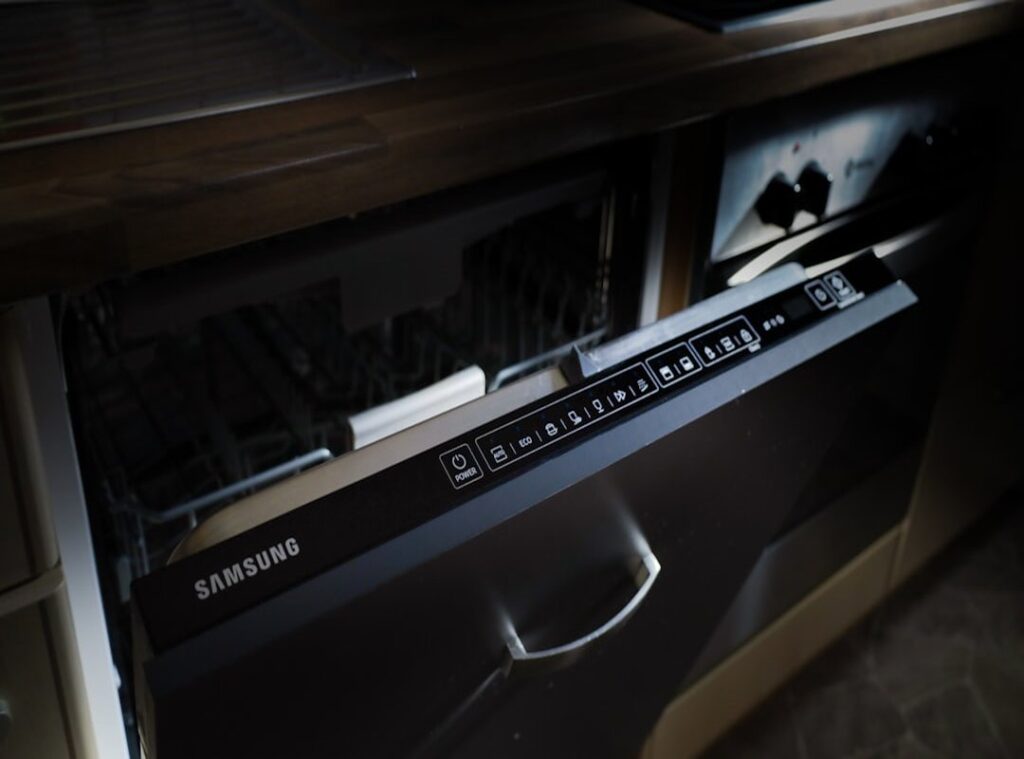
Now, I know you’re already thinking about the kitchen. It’s not just about energy reduction; modern appliances like these can simplify life too.
So, there you have it. Start with these changes, and you’ll be on your way to slashing those energy bills. It’s all about smart decisions and a little bit of effort.
Don’t let energy vampires suck away your hard-earned cash. Take charge and make the switch to energy fast appliances today.
Beyond the Appliance: Simple Habits to Maximize Your Savings
You’ve got your energy fast appliances, but are you really getting the most out of them? to some habits that don’t cost a dime yet make a big impact. First up, cleaning your refrigerator coils and dryer lint trap regularly. This simple task helps your appliances run smoothly, saving you both time and money.
Trust me, neglecting this is like running a marathon with weights on your ankles.
Next, wash your clothes in cold water whenever possible. Did you know the majority of a washer’s energy use comes from heating water? Switching to cold is a no-brainer.
Plus, your clothes will thank you for it. Another tip: run full loads in your dishwasher and washing machine. This maximizes water and energy use, and who doesn’t love a little efficiency?
Don’t overlook your thermostat settings. Using a smart or programmable thermostat ensures you’re not heating or cooling an empty house. It’s like having a personal assistant for your home climate.
These small, intentional habits combined with your fast appliances lead to significant savings over time. So why not start today? It’s about making every penny count and getting the best return on your investment.
Are you ready to make these changes?
Start Saving Big on Your Next Appliance
High energy bills? We’ve all been there. The solution’s simple: choose energy fast appliances.
They cut costs and shrink your carbon footprint. Who doesn’t want that? By knowing what to look for.
Those labels and upgrades (you) gain control over your energy use. It’s empowering, isn’t it?
Next time an appliance gives up the ghost, don’t just replace it. Use this guide. Embrace efficiency and start saving.
It’s more than smart; it’s necessary. Want proof? Just check the ratings.
We’re leading the pack in home care tips. So, ready to lower those bills? Dive in and make the change.
 Founder & Creative Director
There is a specific skill involved in explaining something clearly — one that is completely separate from actually knowing the subject. Kaelith Kryndall has both. They has spent years working with highlight hub in a hands-on capacity, and an equal amount of time figuring out how to translate that experience into writing that people with different backgrounds can actually absorb and use.
Kaelith tends to approach complex subjects — Highlight Hub, Home Care Strategies and Fixes, Useful Stuff being good examples — by starting with what the reader already knows, then building outward from there rather than dropping them in the deep end. It sounds like a small thing. In practice it makes a significant difference in whether someone finishes the article or abandons it halfway through. They is also good at knowing when to stop — a surprisingly underrated skill. Some writers bury useful information under so many caveats and qualifications that the point disappears. Kaelith knows where the point is and gets there without too many detours.
The practical effect of all this is that people who read Kaelith's work tend to come away actually capable of doing something with it. Not just vaguely informed — actually capable. For a writer working in highlight hub, that is probably the best possible outcome, and it's the standard Kaelith holds they's own work to.
Founder & Creative Director
There is a specific skill involved in explaining something clearly — one that is completely separate from actually knowing the subject. Kaelith Kryndall has both. They has spent years working with highlight hub in a hands-on capacity, and an equal amount of time figuring out how to translate that experience into writing that people with different backgrounds can actually absorb and use.
Kaelith tends to approach complex subjects — Highlight Hub, Home Care Strategies and Fixes, Useful Stuff being good examples — by starting with what the reader already knows, then building outward from there rather than dropping them in the deep end. It sounds like a small thing. In practice it makes a significant difference in whether someone finishes the article or abandons it halfway through. They is also good at knowing when to stop — a surprisingly underrated skill. Some writers bury useful information under so many caveats and qualifications that the point disappears. Kaelith knows where the point is and gets there without too many detours.
The practical effect of all this is that people who read Kaelith's work tend to come away actually capable of doing something with it. Not just vaguely informed — actually capable. For a writer working in highlight hub, that is probably the best possible outcome, and it's the standard Kaelith holds they's own work to.