

Keeping your home clean, organized, and well-maintained can feel overwhelming—especially when each season brings new challenges. If you’re searching for practical ways to protect your space, simplify upkeep, and elevate your interiors without adding more to your plate, you’re in the right place. This article is designed to give you clear, room-by-room guidance, smart daily habits, and seasonal home maintenance strategies that actually make a difference.
We’ve compiled proven home care methods, tested cleaning techniques, and design-forward organization ideas that work in real households—not just in theory. From preventing costly repairs to refreshing your living spaces with simple styling updates, you’ll find actionable advice you can start using today.
Whether you want to streamline your routines, tackle neglected areas, or stay ahead of seasonal wear and tear, this guide delivers practical, reliable solutions to help you maintain a comfortable, beautiful home year-round.
A healthy home doesn’t happen by accident; it’s built season by season. Ignore upkeep, and a tiny spring leak turns into winter mold (and a repair bill that stings). Follow smart seasonal home maintenance strategies, and small tasks stay small.
Consider this comparison:
• Reactive care: Wait for breakdowns, pay premium emergency fees, scramble for contractors.
• Proactive care: Inspect gutters in fall, service HVAC before heat waves, seal drafts before frost.
Option A costs more time and money. Option B costs planning.
Pro tip: schedule quarterly reminders now, not later.
Work smarter, not harder—and your home rewards you year-round.
Spring Checklist: Refresh and Prepare for Growth
Spring feels like a reset button. After months of cold, your home deserves attention. Some homeowners argue that if nothing is visibly broken, there’s no need for a big spring push. But small issues left unchecked after winter can quietly become EXPENSIVE problems (and no one likes surprise repairs).
Exterior Refresh
Start outside, where winter hits hardest.
- Gutters & Downspouts: Clear leaves and debris so spring rain flows away from your foundation. Clogged gutters can lead to water intrusion and even foundation cracks, according to the Insurance Institute for Business & Home Safety (IBHS).
- Roof & Siding Inspection: Look for loose shingles, cracked siding, or wind damage. Some say a quick glance from the ground is enough. It’s better than nothing, but binoculars—or a professional—offer REAL peace of mind.
- Windows & Screens: Wash windows inside and out. Natural light boosts mood and productivity (Harvard Health notes daylight supports circadian rhythms). Repair torn screens before insects move in rent-free.
- HVAC Tune-Up: Schedule AC service before the first heatwave. The U.S. Department of Energy reports regular maintenance improves efficiency and lowers energy costs.
These seasonal home maintenance strategies aren’t overkill; they’re prevention.
Interior Deep Clean & Safety
- Air It Out: Open windows, dust baseboards, ceiling fans, and neglected corners.
- Safety First: Test smoke and carbon monoxide detectors and check fire extinguisher expiration dates.
A little effort now protects your home all summer long.
Summer Maintenance: Protect Your Home from Sun and Pests
Summer sounds carefree—until your deck starts splintering, ants invade the kitchen, and your energy bill spikes. Heat and humidity are relentless, and ignoring them is how small issues turn into expensive repairs (and who needs that surprise?).
Exterior Protection
Sun exposure dries, cracks, and fades outdoor surfaces. Check decks and patios for loose boards or popped nails. Scrub away mold or mildew, then reseal if the finish looks worn. UV rays break down wood fibers over time, leading to rot if unprotected (U.S. Forest Service).
For pest control, seal cracks around foundations, siding, and utility pipes. Even tiny gaps invite insects and rodents looking for cool shelter. Trim plants away from your siding and water your lawn deeply but infrequently to promote stronger roots—shallow watering leads to weak turf that burns fast.
Interior Efficiency
Appliances work harder in summer. Clean refrigerator condenser coils to improve efficiency and extend lifespan (U.S. Department of Energy). Clear lint from the entire dryer vent system to reduce fire risk—lint buildup causes thousands of house fires annually (U.S. Fire Administration).
Use dehumidifiers in basements or crawl spaces to prevent mold growth in damp air. Musty smells are often your first warning sign.
If this already feels overwhelming, start small and build momentum. Mastering seasonal home maintenance strategies gets easier when you focus on the essential home repair skills every homeowner should learn. One task at a time beats panic every time.
Fall To-Do List: Prepare for Colder Months Ahead
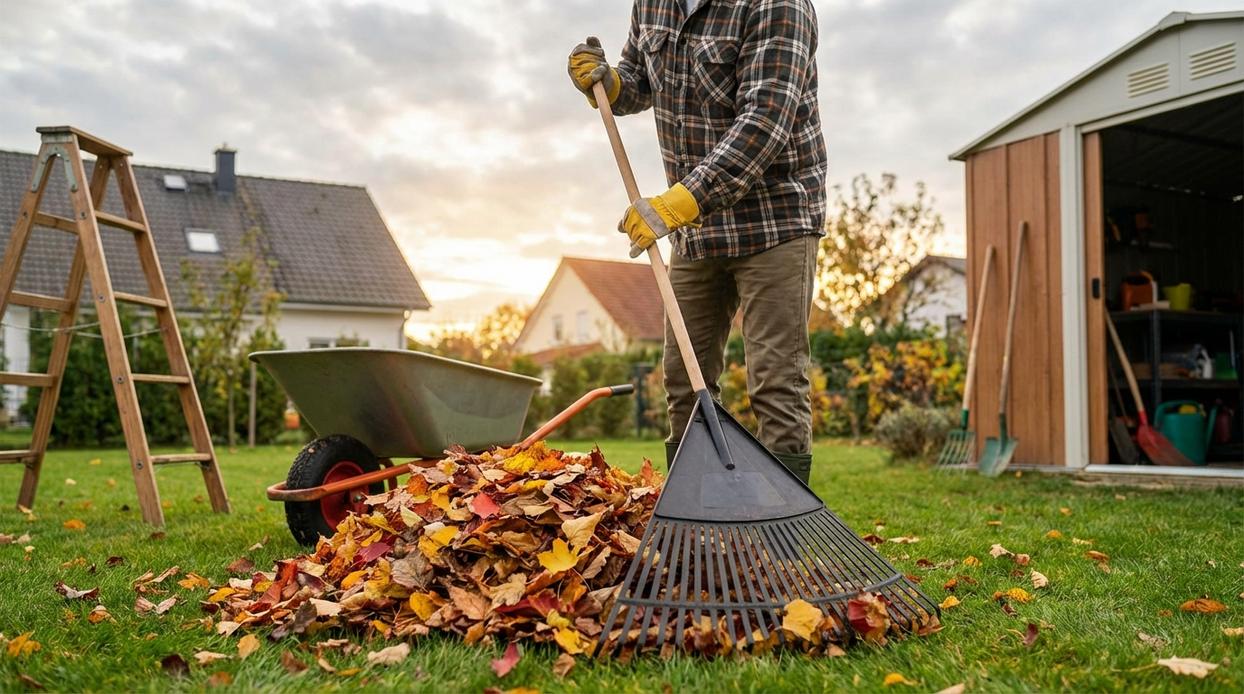
As temperatures drop, your home needs more than cozy blankets and pumpkin décor. A focused fall checklist now can prevent expensive surprises later (because frozen pipes are no one’s idea of holiday cheer).
Exterior Wind-Down
Some homeowners argue that winter prep is overkill—especially if last year was mild. But weather patterns are increasingly unpredictable (NOAA reports rising climate variability), and one hard freeze is all it takes to cause major damage.
- Final Gutter Cleaning: After most leaves have fallen, clear gutters thoroughly. Clogged gutters trap water, which can freeze and form ice dams—thick ridges of ice that push water under shingles and into your home.
- Seal Air Leaks: Drafts around windows and doors waste energy. The U.S. Department of Energy estimates sealing air leaks can cut heating costs by up to 10%. Apply weatherstripping or caulk to close gaps.
- Winterize Water Lines: Shut off and drain exterior faucets and sprinkler systems. When water freezes, it expands—often bursting pipes from the inside.
Interior Prep
Some people wait until their furnace “acts up” before calling for service. That’s risky. Heating System Check: Schedule a professional inspection and replace filters to maintain efficiency and air quality.
Chimney & Fireplace: Creosote buildup is highly flammable. A professional sweep reduces fire risk and keeps your first fire stress-free.
Think of these steps as practical seasonal home maintenance strategies that protect comfort, safety, and your budget all winter long.
Winter Care: Keeping Your Home Safe and Warm
When temperatures drop, small oversights can turn into expensive repairs. Fortunately, a few smart seasonal home maintenance strategies can keep your space safe and comfortable.
- Prevent Frozen Pipes: First, insulate pipes in crawl spaces, basements, and attics. During extreme cold snaps, let faucets drip slowly—moving water is less likely to freeze (and far cheaper than a burst pipe).
- Check Emergency Supplies: Next, restock batteries, flashlights, non-perishable food, and bottled water. Power outages often arrive without warning.
- Monitor for Ice Dams: After heavy snow, inspect roof edges for ice buildup to prevent leaks.
- Maintain Indoor Air Quality: Finally, change furnace filters monthly to keep warm air flowing efficiently.
A little preparation now prevents midwinter headaches later.
Your Home, Your Sanctuary, All Year Long
As you’ve seen, caring for your home isn’t a one-time montage like in a feel-good makeover movie; it’s steady, repeatable action. In other words, seasonal home maintenance strategies keep small tasks from turning into budget-busting plot twists. Instead of waiting for disaster to strike, you handle things early, which means less stress and fewer surprise bills. Think of it as your home’s version of a training montage—short, consistent efforts that build strength over time. So, pick one task this weekend and finish it. Then, repeat next season. That’s how sanctuaries stay strong.
Keep Your Home Running Smoothly All Year Long
You came here looking for practical ways to keep your home clean, organized, and functioning without constant stress. Now you have clear, actionable steps you can use immediately—from room-by-room cleaning techniques to smarter daily upkeep habits.
The truth is, small issues turn into expensive repairs when routine care gets ignored. Dust builds up, moisture lingers, clutter accumulates—and before you know it, you’re dealing with bigger problems that cost more time and money than simple prevention ever would.
By following consistent routines and focusing on seasonal home maintenance strategies, you protect your space, preserve your investment, and make everyday living more comfortable. A well-maintained home isn’t just about appearances—it’s about peace of mind.
If you’re ready to stop feeling overwhelmed and start feeling in control of your home, put these tips into action today. Create your maintenance checklist, tackle one room at a time, and stay consistent. Thousands of homeowners rely on proven, practical systems like these to simplify their routines—now it’s your turn. Start today and enjoy a cleaner, calmer home tomorrow.
 Founder & Creative Director
There is a specific skill involved in explaining something clearly — one that is completely separate from actually knowing the subject. Kaelith Kryndall has both. They has spent years working with highlight hub in a hands-on capacity, and an equal amount of time figuring out how to translate that experience into writing that people with different backgrounds can actually absorb and use.
Kaelith tends to approach complex subjects — Highlight Hub, Home Care Strategies and Fixes, Useful Stuff being good examples — by starting with what the reader already knows, then building outward from there rather than dropping them in the deep end. It sounds like a small thing. In practice it makes a significant difference in whether someone finishes the article or abandons it halfway through. They is also good at knowing when to stop — a surprisingly underrated skill. Some writers bury useful information under so many caveats and qualifications that the point disappears. Kaelith knows where the point is and gets there without too many detours.
The practical effect of all this is that people who read Kaelith's work tend to come away actually capable of doing something with it. Not just vaguely informed — actually capable. For a writer working in highlight hub, that is probably the best possible outcome, and it's the standard Kaelith holds they's own work to.
Founder & Creative Director
There is a specific skill involved in explaining something clearly — one that is completely separate from actually knowing the subject. Kaelith Kryndall has both. They has spent years working with highlight hub in a hands-on capacity, and an equal amount of time figuring out how to translate that experience into writing that people with different backgrounds can actually absorb and use.
Kaelith tends to approach complex subjects — Highlight Hub, Home Care Strategies and Fixes, Useful Stuff being good examples — by starting with what the reader already knows, then building outward from there rather than dropping them in the deep end. It sounds like a small thing. In practice it makes a significant difference in whether someone finishes the article or abandons it halfway through. They is also good at knowing when to stop — a surprisingly underrated skill. Some writers bury useful information under so many caveats and qualifications that the point disappears. Kaelith knows where the point is and gets there without too many detours.
The practical effect of all this is that people who read Kaelith's work tend to come away actually capable of doing something with it. Not just vaguely informed — actually capable. For a writer working in highlight hub, that is probably the best possible outcome, and it's the standard Kaelith holds they's own work to.