
Staying ahead of shifting styles can feel overwhelming, especially when trends seem to change overnight. If you’re searching for clarity on the interior design trends 2026, this guide is designed to give you exactly that. We explore the defining looks, materials, and functional upgrades shaping homes in 2026—while separating lasting movements from short-lived fads. Our focus is practical and achievable: ideas that not only elevate your space visually but also improve how you live in it every day. By the end, you’ll have a clear understanding of what truly defines 2026 design—and simple ways to start incorporating it into your home today.
Biophilic Living: The Deepening Connection with Nature
Biophilic living goes beyond adding a lonely fern in the corner. Biophilic design—a concept that integrates natural light, organic materials, and nature-inspired patterns into built spaces—aims to make homes feel alive. Think less “decorated” and more “grown.”
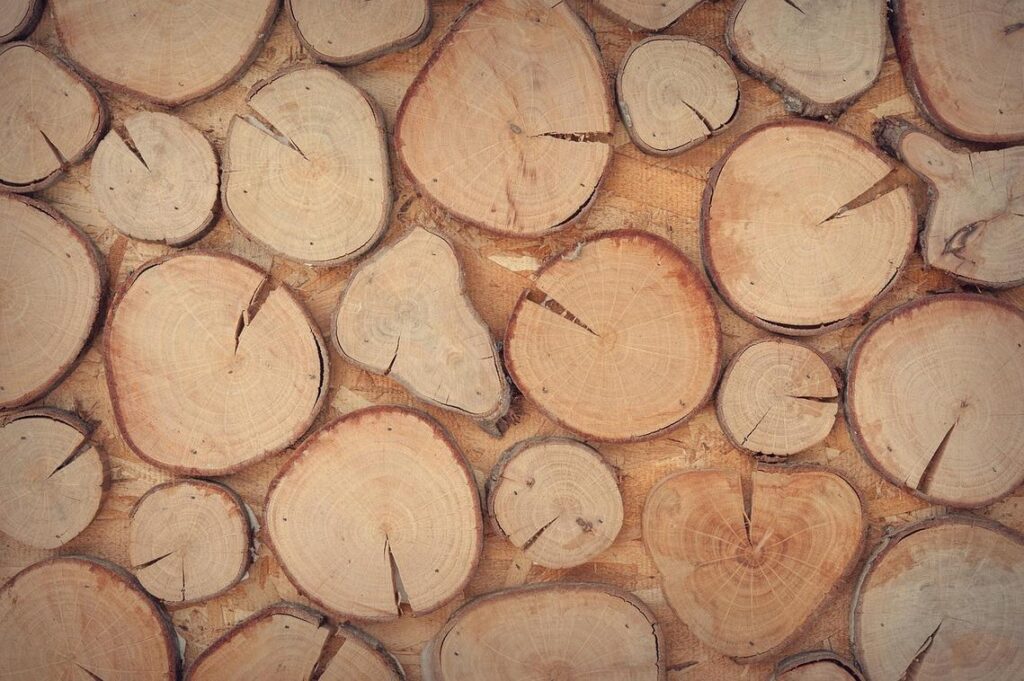
In interior design trends 2026, this means cork flooring (renewable and softly cushioned underfoot), reclaimed wood accents rich with history, bamboo cabinetry that regenerates quickly, and stone countertops with dramatic, natural veining. These materials don’t just look good; studies suggest exposure to natural elements indoors can reduce stress and improve well-being (Terrapin Bright Green, 2014). That said, researchers still debate how much impact design alone has without lifestyle changes—so it’s not a magic fix (I wish it were).
Actionable shifts make a difference. Start a small indoor herb garden on a sunny sill. Use sheer curtains to diffuse daylight instead of blocking it. Choose linen, wool, or cotton textiles in undyed finishes for a tactile, grounded feel. Pro tip: layer textures, not colors, for a calmer effect.
Some argue this trend is impractical or costly. Fair. Natural stone isn’t cheap. But even small updates can reconnect you to the outdoors—without a full renovation. And if you’re blending eras, revisit how to mix vintage and modern styles without clashing for balance.
The New Color Palette: Warmth, Earth, and Authenticity
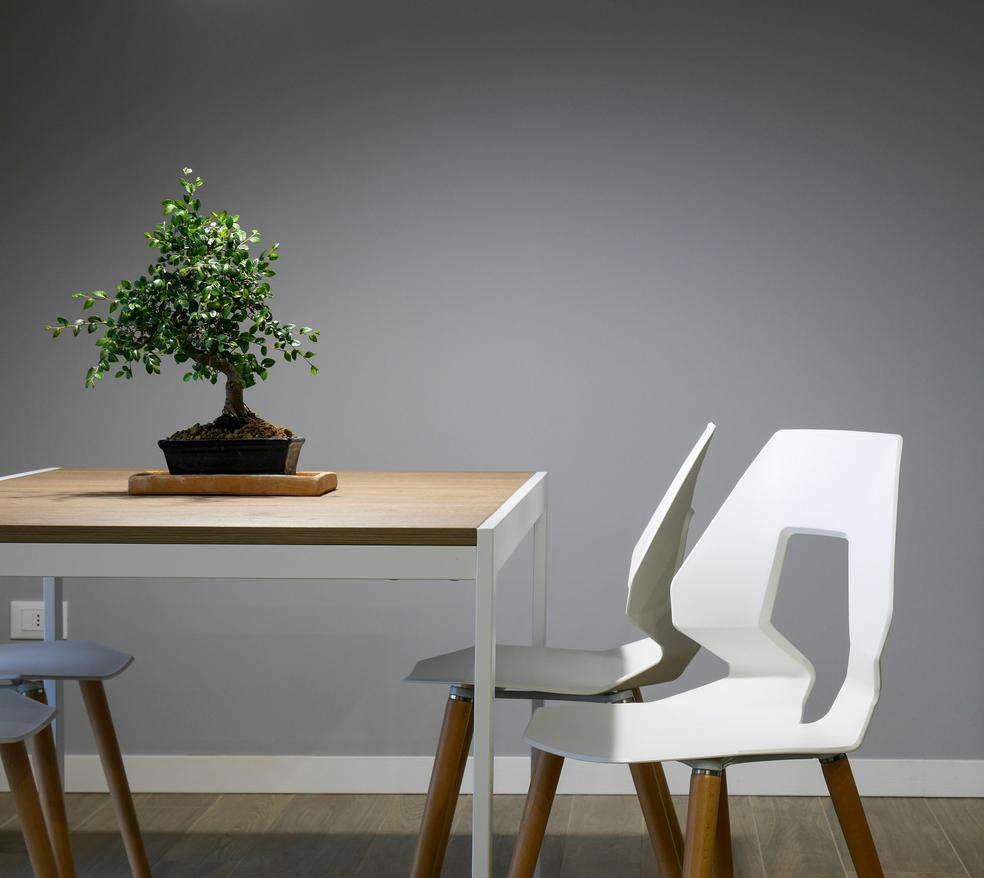
For years, I insisted on cool grays and stark whites. They felt “safe.” Clean. Timeless. However, what I actually created was a space that felt more like a waiting room than a home. Eventually, I realized I’d ignored one of the biggest interior design trends 2026 is embracing: warmth.
The Shift
Design has moved decisively toward earthy, comforting tones. Think terracotta, olive green, deep ochre, and warm browns like chocolate and caramel. Even muted jewel tones—dusty rose and sapphire—are stepping in. At first, I worried these shades would feel dated. Instead, they felt alive.
How to Use Them (Without Regret)
Here’s what I learned the hard way:
- Test before committing. I once painted an entire room olive without sampling. Lighting changed everything.
- Try color drenching. Painting walls, trim, and ceiling the same shade creates a cocoon effect (surprisingly elegant, not overwhelming).
- Start small if hesitant. Layer these hues through textiles—pillows, throws, rugs—before tackling paint.
The Psychological Impact
Above all, these tones ground a space. Earth-based colors are linked to feelings of stability and safety (Journal of Environmental Psychology). In contrast to cool minimalism, they foster coziness and authenticity.
In the end, warmth doesn’t just update a room—it transforms it into a sanctuary.
Minimalism had its moment, but homes are softening. Sharp corners and boxy silhouettes are giving way to curves, arches, and organic shapes that feel calmer and more human. This shift, seen across interior design trends 2026, isn’t just aesthetic—it changes how a room feels and functions.
Where Curves Make the Biggest Impact
First, look at furniture. Curved sofas encourage conversation by subtly turning people toward one another. Scalloped headboards add movement to a bedroom without extra clutter. Round coffee tables improve flow in tight living rooms (no more bruised shins), while dining chairs with rounded backs feel supportive and welcoming.
Next, consider architecture. Arched doorways and curved walls soften transitions between rooms, making spaces feel larger and more fluid. Even circular windows can act as sculptural focal points while pulling in natural light.
If renovations aren’t in the plan, start small. Swap in a round mirror above a console, layer a circular rug under a square table, or choose lamps and vases with gentle silhouettes. Pro tip: balance curves with a few straight lines so the space doesn’t feel overly whimsical. Ultimately, a single well-placed arch or rounded piece can transform the mood without overwhelming your home with minimal effort.
Multifunctional Spaces & The “Third Room” Concept”
Have you ever looked around your home and thought, When did this place turn into an office, gym, and movie theater all at once? You’re not imagining it. The modern home has evolved—and interior design trends 2026 reflect that shift toward intentional flexibility.
Enter the “Third Room” concept. This doesn’t mean building an addition. It means carving out a defined zone within an existing room for something restorative or creative. A reading nook by the window. A meditation corner with a floor cushion and soft lighting. A compact art studio tucked behind a divider. Think of it as your home’s “bonus level” (no cheat codes required).
Smart furniture makes this possible:
- Modular sofas that reconfigure for work or guests
- Expandable dining tables for weekday minimalism, weekend hosting
- Stylish room dividers that create privacy without walls
- Murphy beds that fold away to reclaim precious floor space
Sound familiar—clutter creeping in as rooms multitask? Try a living room ottoman with hidden storage (blankets vanish instantly). In the bedroom, consider a desk that doubles as a vanity—work by day, wind down by night. Why shouldn’t one room do more, beautifully?
Crafting Your Personal, Forward-Thinking Space
You explored how interior design trends 2026 are shifting toward warmer tones, natural textures, and spaces designed around real life—not perfection. Now you can see that the goal isn’t to chase every trend, but to create a sanctuary that truly supports your well-being.
If your home feels cold, cluttered, or disconnected from your lifestyle, that discomfort won’t fix itself. Start small. Choose one change—a calming color, a curved accent piece, or a quiet corner just for you—and build from there.
For more practical, room-by-room ideas that make your home feel intentional and inviting, explore our trusted tips and start transforming your space today.
 Home Care Specialist & Operations Manager
Steven Washingtonavilo writes the kind of useful stuff content that people actually send to each other. Not because it's flashy or controversial, but because it's the sort of thing where you read it and immediately think of three people who need to see it. Steven has a talent for identifying the questions that a lot of people have but haven't quite figured out how to articulate yet — and then answering them properly.
They covers a lot of ground: Useful Stuff, Daily Home Maintenance Tips, Room-Specific Cleaning Techniques, and plenty of adjacent territory that doesn't always get treated with the same seriousness. The consistency across all of it is a certain kind of respect for the reader. Steven doesn't assume people are stupid, and they doesn't assume they know everything either. They writes for someone who is genuinely trying to figure something out — because that's usually who's actually reading. That assumption shapes everything from how they structures an explanation to how much background they includes before getting to the point.
Beyond the practical stuff, there's something in Steven's writing that reflects a real investment in the subject — not performed enthusiasm, but the kind of sustained interest that produces insight over time. They has been paying attention to useful stuff long enough that they notices things a more casual observer would miss. That depth shows up in the work in ways that are hard to fake.
Home Care Specialist & Operations Manager
Steven Washingtonavilo writes the kind of useful stuff content that people actually send to each other. Not because it's flashy or controversial, but because it's the sort of thing where you read it and immediately think of three people who need to see it. Steven has a talent for identifying the questions that a lot of people have but haven't quite figured out how to articulate yet — and then answering them properly.
They covers a lot of ground: Useful Stuff, Daily Home Maintenance Tips, Room-Specific Cleaning Techniques, and plenty of adjacent territory that doesn't always get treated with the same seriousness. The consistency across all of it is a certain kind of respect for the reader. Steven doesn't assume people are stupid, and they doesn't assume they know everything either. They writes for someone who is genuinely trying to figure something out — because that's usually who's actually reading. That assumption shapes everything from how they structures an explanation to how much background they includes before getting to the point.
Beyond the practical stuff, there's something in Steven's writing that reflects a real investment in the subject — not performed enthusiasm, but the kind of sustained interest that produces insight over time. They has been paying attention to useful stuff long enough that they notices things a more casual observer would miss. That depth shows up in the work in ways that are hard to fake.