
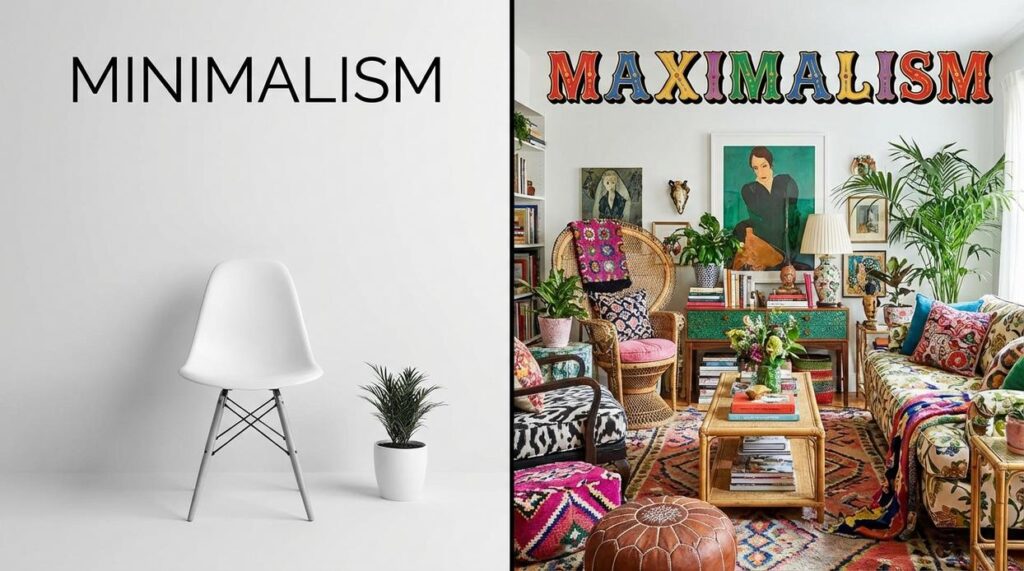
Choosing between minimalist vs maximalist interior design can feel overwhelming when you’re trying to create a home that reflects your personality and still functions beautifully day to day. You’re likely here because you want clarity—what truly defines each style, which one suits your lifestyle, and how to make the right choice without costly mistakes.
In this article, we break down the core differences, benefits, and challenges of both approaches, from layout and color palettes to maintenance and long-term practicality. We also explore how each style impacts daily cleaning routines, organization, and overall comfort.
Our guidance is rooted in hands-on home care experience, practical styling knowledge, and insights drawn from professional interior design principles. By the end, you’ll have a clear understanding of which direction aligns with your space, habits, and aesthetic goals—plus actionable tips to bring your vision to life with confidence.
Choosing between styles often feels like a personality test you didn’t study for. However, the real debate isn’t clutter versus emptiness; it’s intention versus amplification. In minimalist vs maximalist interior design, minimalism prioritizes negative space (the empty areas that give objects room to breathe), while maximalism layers color, pattern, and story.
Competitors stop at visuals. Instead, ask: Do you recharge in calm rooms or feel energized by visual stimuli? For example, a remote worker may need serene focus, whereas a collector thrives on display.
Pro tip: audit your habits before buying anything. Ultimately, home should support routines, not fight them.
The Philosophy of Minimalism: Intentional Calm and Purposeful Space
Minimalism is often mistaken for emptiness. In truth, it’s about intentionality. Every object has a purpose and a place. If it doesn’t serve a function or bring meaning, it doesn’t stay. That may sound strict, and I’ll admit—there’s debate about how far is too far. Does one sentimental item disrupt the philosophy? Not necessarily. The goal isn’t perfection; it’s clarity.
Key Elements of Minimalist Design
- Color Palette: Neutral, monochromatic tones—whites, soft grays, warm beiges—create a serene backdrop that lets the mind rest.
- Furniture: Clean lines, simple silhouettes, and high-quality pieces that work hard without shouting for attention. Less truly becomes more.
- Light & Space: Natural light is essential. So is negative space, the intentional emptiness that allows a room to breathe.
Some argue that minimalist vs maximalist interior choices are purely aesthetic preferences. That’s partly true. But minimalism goes deeper than style—it shapes how a space feels and functions.
The result? Order. Calm. Mental clarity. A home that feels like a retreat from the outside world (and who doesn’t need that?). I can’t promise minimalism solves every design dilemma, but it consistently creates space—both physical and emotional—to think, rest, and simply be.
The Art of Maximalism: Curated Collections and Bold Expression
Maximalism, in my view, isn’t clutter—it’s storytelling. At its core, maximalism is a curated celebration of personal history, passions, and unapologetic style. Instead of hiding what you love, you spotlight it. And honestly, why shouldn’t your home feel like a living scrapbook of your life?
First, consider color and pattern. Bold jewel tones, saturated hues, and fearless pattern mixing—florals with geometrics, stripes with chinoiserie—create visual rhythm. Some argue this is overwhelming. I disagree. When thoughtfully layered, contrast creates harmony (yes, really). Think of it like a great outfit: unexpected combinations often make the strongest statement.
Then there’s texture. Velvet against linen, silk beside wool, metallic accents layered over natural wood—these combinations build depth. Texture, in design terms, refers to how surfaces feel or appear to feel. Without it, even vibrant rooms can fall flat.
Of course, decor seals the deal. Gallery walls, stacked bookshelves, and displayed collections turn objects into conversation pieces. This is where minimalist vs maximalist interior debates get lively. While minimalism prizes restraint, maximalism celebrates abundance.
That said, balance matters. If you love warm tones, explore earthy color palettes a guide to warm and natural interiors for grounding inspiration.
Ultimately, maximalist spaces feel energetic, cozy, and deeply personal—like a room that gives you a hug the moment you walk in.
Minimalist vs. Maximalist: A Side-by-Side Breakdown

When comparing minimalist vs maximalist interior, the differences show up immediately—but the right choice often depends on your lifestyle, climate, and even how much time you want to spend cleaning on a Sunday afternoon.
Walls & Color
Minimalist spaces typically rely on a single neutral shade—think warm greige or soft white often seen in modern downtown condos. The idea is visual calm. In contrast, maximalist walls make a statement: jewel-toned paint, botanical wallpaper, or a salon-style gallery wall reminiscent of Brooklyn brownstones. While some argue bold walls feel overwhelming, supporters say they create personality and depth (and hide scuffs surprisingly well in high-traffic homes).
Furniture Choices
Minimalism favors one sleek sofa with clean lines—often low-profile and Scandinavian-inspired. Maximalism layers a patterned sofa with accent chairs and textured rugs. Although critics claim this looks busy, intentional layering—like mixing Persian-style rugs with velvet seating—adds warmth, especially in colder climates where coziness matters.
Accessorizing
A minimalist room may feature a single sculptural vase on a console table. Meanwhile, maximalists display curated collections: stacked art books, ceramics from local markets, framed travel photos. The key difference? Editing. Without it, maximalism drifts into clutter territory.
Window Treatments
Minimalists lean toward simple roller shades or bare windows to maximize natural light. Maximalists prefer heavy patterned drapes layered over sheers—common in historic homes where tall windows deserve drama.
Room Maintenance
Minimalism simplifies cleaning: fewer surfaces, less dusting. Maximalism requires routine upkeep—think weekly dusting of shelves and seasonal decluttering. Still, for many, the visual richness is worth the extra effort.
How to Find Your Personal Style: A Quick Self-Assessment
If you’ve ever stood in your living room thinking, “Why doesn’t this feel right?” this quick check-in can help. Understanding your instincts makes decorating far easier.
Question 1: In a busy, vibrant space like a market or museum, do you feel energized or overwhelmed? If crowds and color spark ideas, you may lean maximalist. If you crave calm and visual breathing room, minimalist might suit you better.
Question 2: When you see a bare surface, do you keep it clear or place a beloved object on it? Your first impulse matters.
Question 3: Do you prefer coordinated pieces or an eclectic, collected-over-time look? Think matching dining chairs versus a mix that tells a story.
Question 4: When tidying, are you putting a few things away or rearranging treasured items?
Ultimately, choosing between a minimalist vs maximalist interior isn’t about trends. It’s about how you want your home to make you feel—calm sanctuary or creative gallery.
Creating a home that works for you starts with clarity. You now have the tools to see whether you lean toward calm simplicity or expressive layers. Research from the University of Minnesota found that well-designed spaces can reduce stress and improve focus, which means your stylistic choices affect life.
However, it’s not an either-or decision. minimalist vs maximalist interior debates overlook the fact that blending styles increases satisfaction. For example, a streamlined living room paired with a gallery wall balances order and personality.
Start small. Refresh one corner, then notice how you feel (your mood is data). Adjust accordingly.
Create a Home That Truly Feels Like You
You came here trying to make sense of minimalist vs maximalist interior and decide which direction fits your space and lifestyle. Now you understand the strengths of both—whether it’s the calm, clutter-free simplicity of minimalism or the bold, personality-filled energy of maximalism.
The real challenge isn’t choosing what looks good online. It’s creating a home that feels right for you and actually works for your daily routine. A space that reduces stress, supports your habits, and reflects your personality.
Here’s your next step: take one room and commit to a clear direction. Declutter and refine if you’re leaning minimalist. Layer textures, art, and meaningful pieces if maximalist speaks to you. Small, intentional changes will give you clarity fast.
If you’re still unsure or feeling stuck, explore more of our proven home styling and maintenance tips designed to simplify decisions and transform everyday spaces. Start today and turn your home into a space that feels organized, beautiful, and completely yours.
 Interior Styling Consultant
Agnes Pakenzone has opinions about room-specific cleaning techniques. Informed ones, backed by real experience — but opinions nonetheless, and they doesn't try to disguise them as neutral observation. They thinks a lot of what gets written about Room-Specific Cleaning Techniques, Home Care Strategies and Fixes, Interior Styling Ideas and Trends is either too cautious to be useful or too confident to be credible, and they's work tends to sit deliberately in the space between those two failure modes.
Reading Agnes's pieces, you get the sense of someone who has thought about this stuff seriously and arrived at actual conclusions — not just collected a range of perspectives and declined to pick one. That can be uncomfortable when they lands on something you disagree with. It's also why the writing is worth engaging with. Agnes isn't interested in telling people what they want to hear. They is interested in telling them what they actually thinks, with enough reasoning behind it that you can push back if you want to. That kind of intellectual honesty is rarer than it should be.
What Agnes is best at is the moment when a familiar topic reveals something unexpected — when the conventional wisdom turns out to be slightly off, or when a small shift in framing changes everything. They finds those moments consistently, which is why they's work tends to generate real discussion rather than just passive agreement.
Interior Styling Consultant
Agnes Pakenzone has opinions about room-specific cleaning techniques. Informed ones, backed by real experience — but opinions nonetheless, and they doesn't try to disguise them as neutral observation. They thinks a lot of what gets written about Room-Specific Cleaning Techniques, Home Care Strategies and Fixes, Interior Styling Ideas and Trends is either too cautious to be useful or too confident to be credible, and they's work tends to sit deliberately in the space between those two failure modes.
Reading Agnes's pieces, you get the sense of someone who has thought about this stuff seriously and arrived at actual conclusions — not just collected a range of perspectives and declined to pick one. That can be uncomfortable when they lands on something you disagree with. It's also why the writing is worth engaging with. Agnes isn't interested in telling people what they want to hear. They is interested in telling them what they actually thinks, with enough reasoning behind it that you can push back if you want to. That kind of intellectual honesty is rarer than it should be.
What Agnes is best at is the moment when a familiar topic reveals something unexpected — when the conventional wisdom turns out to be slightly off, or when a small shift in framing changes everything. They finds those moments consistently, which is why they's work tends to generate real discussion rather than just passive agreement.