Imagine waking up to a calm, clutter-free home instead of yesterday’s mess. When dishes pile up and surfaces collect clutter, your morning starts with stress—and that feeling of never quite catching up. This guide gives you a simple, proven solution: a practical 15-minute nightly routine designed to restore order before bed. Inside, you’ll find a step-by-step evening home reset checklist refined through years of real-life home care strategies that fit into even the busiest schedules. If you’re looking for a sustainable, no-fuss way to stay organized, this actionable routine is something you can start tonight—and see results tomorrow morning.
Why a “Closing Shift” for Your Home is a Game-Changer”
End the Day Like You Mean It
Picture this: you wake up to clear counters, a faint citrus scent in the air, and sunlight gliding across an uncluttered table. That’s what a simple evening home reset checklist can do. It reduces morning chaos by removing the frantic hunt for keys or clean mugs (we’ve all been there).
Some argue it’s exhausting to clean at night. Fair. But five focused minutes prevents crumbs from hardening, laundry from forming a mountain, and mail from swallowing the entryway. Small messes, left alone, snowball into weekend-long marathons. Tackle them early—like brushing away the day before it sticks.
There’s also a quiet psychological shift. Sliding into bed while the dishwasher hums softly and floors feel smooth underfoot signals closure. Research shows clutter can raise cortisol levels, increasing stress (UCLA Center on Everyday Lives of Families).
And if you’re serious about maintenance, learn how to spot small issues before they become big problems: https://mrshometips.com/how-to-spot-small-issues-before-they-become-big-problems/
Habit is the real hero. Done nightly, this tiny ritual compounds into lasting order.
The 15-Minute Home Reset: Your Nightly Checklist
If your mornings feel chaotic, it’s rarely because of the morning itself. It’s usually because of the night before. This 15-minute reset is designed to give you something priceless: a calmer start, clearer headspace, and a home that feels under control (even if the rest of life isn’t).
Think of this as your evening home reset checklist—a short, focused routine broken into four high-impact zones.
Zone 1: The Kitchen Close-Down (5 Minutes)
The kitchen is the emotional center of most homes. When it’s messy, everything feels messier.
In five focused minutes:
- Load and run the dishwasher (or wash the few remaining dishes).
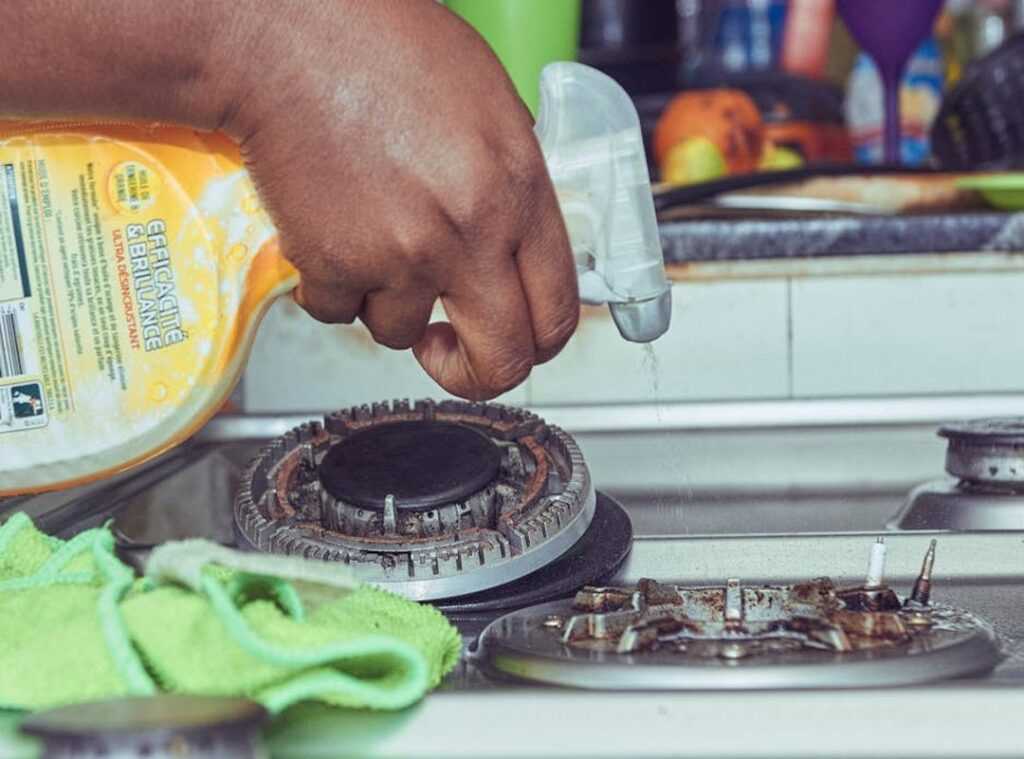
- Wipe down countertops and the stovetop.
- Clear and wipe the kitchen sink until it’s empty and shining.
- Put away stray food items like cereal boxes and snacks.
Why it matters: Research in environmental psychology suggests visible clutter increases stress levels and reduces focus (Princeton Neuroscience Institute, 2011). Waking up to a clean sink isn’t just nice—it lowers cognitive load before your day even begins.
There’s something deeply satisfying about an empty sink (it’s the adult version of inbox zero). That shine signals completion.
Pro tip: If you’re short on time, prioritize the sink and counters. Clear surfaces instantly make the space look 80% cleaner.
Zone 2: The Living Area Sweep (5 Minutes)

This is where the “lived-in” look can quickly turn into visual chaos.
Set a timer and:
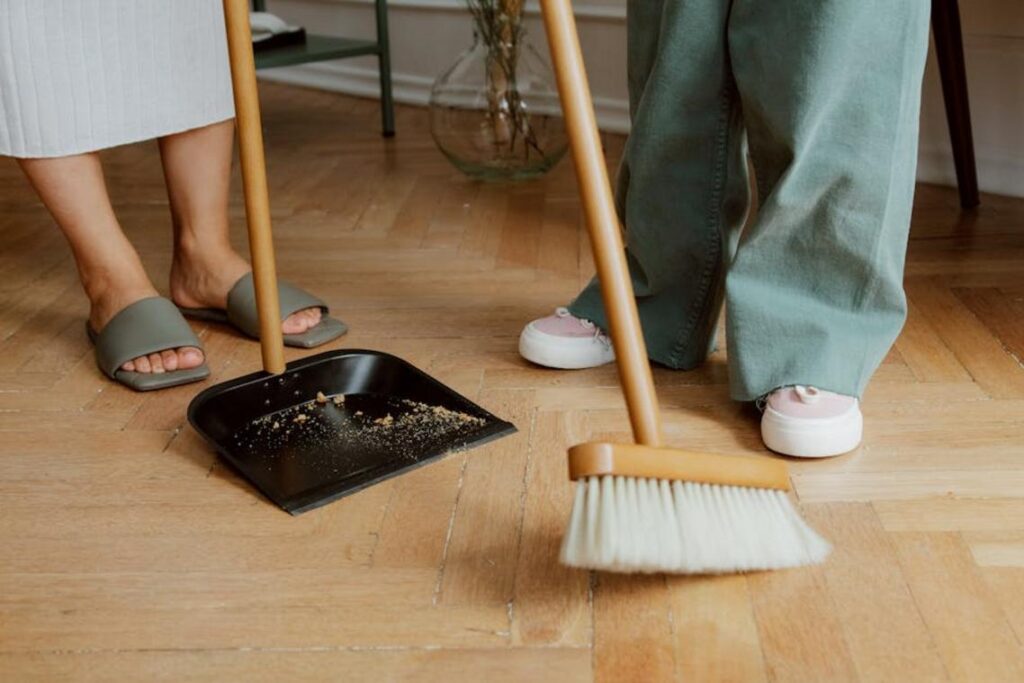
- Do a quick clutter dash with a basket—grab toys, mail, mugs, and anything out of place.
- Fluff and straighten couch cushions and pillows.
- Fold blankets or throws.
- Tidy the coffee table: stack remotes, coasters, and magazines.
The benefit? You reclaim your space instead of letting it quietly overwhelm you. Even small resets create what behavioral scientists call a “fresh start effect” (Milkman et al., 2014), which boosts motivation and follow-through.
And yes, you can sort that basket tomorrow. Tonight is about momentum, not perfection (we’re resetting, not staging a magazine shoot).
Zone 3: The ‘Next Day’ Prep Station (3 Minutes)
This is where tomorrow gets easier.
- Check your calendar for appointments.
- Lay out clothes for the morning.
- Pack work bags, gym bags, and kids’ backpacks.
- Place keys, wallets, and phones in their designated “launch pad.”
Decision fatigue is real. The more choices you eliminate in advance, the more energy you preserve for meaningful work (Baumeister & Tierney, 2011).
Laying out clothes may seem small, but it removes one of the most common morning stress triggers. No last-minute wardrobe panic. No frantic searches for missing shoes. Just grab and go.
The payoff? Smoother mornings, fewer arguments, and a noticeable drop in rushing.
Zone 4: The Final Walk-Through (2 Minutes)
These last two minutes seal the reset.
- Scan main walkways to ensure they’re clear.
- Put shoes away by the door.
- Turn off unnecessary lights and electronics.
- Take out trash and recycling if needed.
This quick sweep prevents small messes from snowballing overnight. Clear pathways also reduce trip hazards and improve safety—especially important in homes with kids or pets (National Safety Council).
More importantly, you go to bed knowing the house is settled. That sense of closure carries into your sleep.
Fifteen minutes. Four zones. A calmer morning waiting for you.
And tomorrow? You’ll thank tonight’s version of yourself.
Making It Your Own: How to Customize Your Routine
An evening home reset checklist isn’t meant to be rigid—it’s a flexible framework. In simple terms, a framework is just a basic structure you adjust to fit your life.
For families with kids, for example, add a two-minute “toy round-up” to your living area sweep. Set a timer and turn it into a race (kids love a countdown). This builds responsibility while keeping clutter manageable.
If you have pets, incorporate care tasks into the flow. Refill the water bowl, wash food dishes, or prep tomorrow’s meal. Think of it as resetting their space, too.
For those with a home office, include a quick one-minute desk clear-off. File loose papers, close notebooks, and wipe the surface. A clear desk reduces visual clutter—meaning fewer distractions in the morning.
Most importantly, stay flexible. Swap tasks, add new ones, or remove what doesn’t serve you. The goal is steady progress, not perfection.
As you wind down for the evening, incorporating a simple checklist can transform your space into a stress-free haven, making it the perfect time to also consider the best practices for maintaining a fresh home with our washing advice at Livpristwash – for more details, check out our Washing Advice Livpristwash.
Wake Up to a Calmer, More Organized Tomorrow
You wanted a simple way to stop waking up to clutter and chaos—and now you have it. With this evening home reset checklist, you have a clear, actionable plan to take control of your space before your head hits the pillow. No more scrambling through messy counters or starting your day already behind.
The stress of a disorganized home doesn’t fix itself. But by investing just 15 minutes each night, you build consistency that transforms your mornings from frantic to peaceful.
Don’t wait for the “right” moment. Set a 15-minute timer tonight and follow the checklist exactly as written. Tomorrow morning, you’ll feel the difference.
 Home Care Specialist & Operations Manager
Steven Washingtonavilo writes the kind of useful stuff content that people actually send to each other. Not because it's flashy or controversial, but because it's the sort of thing where you read it and immediately think of three people who need to see it. Steven has a talent for identifying the questions that a lot of people have but haven't quite figured out how to articulate yet — and then answering them properly.
They covers a lot of ground: Useful Stuff, Daily Home Maintenance Tips, Room-Specific Cleaning Techniques, and plenty of adjacent territory that doesn't always get treated with the same seriousness. The consistency across all of it is a certain kind of respect for the reader. Steven doesn't assume people are stupid, and they doesn't assume they know everything either. They writes for someone who is genuinely trying to figure something out — because that's usually who's actually reading. That assumption shapes everything from how they structures an explanation to how much background they includes before getting to the point.
Beyond the practical stuff, there's something in Steven's writing that reflects a real investment in the subject — not performed enthusiasm, but the kind of sustained interest that produces insight over time. They has been paying attention to useful stuff long enough that they notices things a more casual observer would miss. That depth shows up in the work in ways that are hard to fake.
Home Care Specialist & Operations Manager
Steven Washingtonavilo writes the kind of useful stuff content that people actually send to each other. Not because it's flashy or controversial, but because it's the sort of thing where you read it and immediately think of three people who need to see it. Steven has a talent for identifying the questions that a lot of people have but haven't quite figured out how to articulate yet — and then answering them properly.
They covers a lot of ground: Useful Stuff, Daily Home Maintenance Tips, Room-Specific Cleaning Techniques, and plenty of adjacent territory that doesn't always get treated with the same seriousness. The consistency across all of it is a certain kind of respect for the reader. Steven doesn't assume people are stupid, and they doesn't assume they know everything either. They writes for someone who is genuinely trying to figure something out — because that's usually who's actually reading. That assumption shapes everything from how they structures an explanation to how much background they includes before getting to the point.
Beyond the practical stuff, there's something in Steven's writing that reflects a real investment in the subject — not performed enthusiasm, but the kind of sustained interest that produces insight over time. They has been paying attention to useful stuff long enough that they notices things a more casual observer would miss. That depth shows up in the work in ways that are hard to fake.