Keeping a home running smoothly isn’t just about cleaning when things look messy—it’s about having a clear, practical plan in place. If you’ve been searching for a realistic way to stay on top of chores without feeling overwhelmed, this guide is designed for you. We’ll break down how to create a home maintenance schedule that simplifies daily upkeep, prevents costly repairs, and keeps every room functioning at its best.
Many homeowners struggle with knowing what to clean, when to inspect key areas, and how to stay consistent. This article solves that by outlining room-specific tasks, seasonal checklists, and manageable routines you can actually stick to. Our recommendations are grounded in proven home care strategies, practical experience, and time-tested maintenance principles that prioritize efficiency and long-term results.
By the end, you’ll have a clear, structured approach to maintaining your home—saving time, reducing stress, and protecting your space year-round.
Feeling buried by chores is universal. Without a system, dishes stack, laundry multiplies, and weekends vanish into frantic scrubbing. The real issue isn’t effort—it’s randomness.
Smarter Routine vs. More Work
Consistency beats intensity every time.
| No System (A) | Simple Routine (B) |
|---|---|
| Marathon weekend cleans | 15-minute daily resets |
| Forgotten tasks | Clear task rotation |
| Stress and clutter | Calm, controlled upkeep |
A personalized home maintenance schedule turns chaos into habit. Some argue spontaneous deep cleans feel productive. True—but they’re exhausting and unsustainable (like cramming before finals). This guide gives you a step-by-step blueprint to build manageable habits that fit your lifestyle.
Step 1: The “Home Audit” — Understanding Your Unique Needs
Before you download a generic checklist promising a spotless house in 20 minutes (sure, and I’m the Queen of England), pause. Every home is different. A studio apartment with one sleepy cat has wildly different needs than a four-bedroom home with toddlers and a shedding golden retriever. That’s why a personalized Home Audit matters.
Grab a notepad or your phone and walk through your home room by room. In the entryway, note high-traffic zones—muddy shoes, backpacks, the mysterious pile of “I’ll deal with this later.” In the kitchen, look for clutter hotspots like mail on the counter or appliances that never quite make it back to their cabinet.
Don’t forget overlooked tasks: wiping baseboards, disinfecting light switches, dusting ceiling fans. (Yes, they count—even if you squint and pretend they don’t.)
Now factor in real life. Pets that shed? Young kids with sticky fingers? Working from home and living in your kitchen? These details determine cleaning frequency and shape your home maintenance schedule.
Finally, create a comprehensive Master Task List—a full brain dump of every chore, from daily tidying to seasonal deep cleaning. Pro tip: if you think of it, write it down. Your future self will thank you.
Step 2: Building Your Schedule — The Daily, Weekly, and Monthly Breakdown
The secret to keeping your home under control isn’t doing more. It’s understanding task frequency—how often a chore truly needs to be done to prevent buildup without causing burnout. Think of it as the difference between brushing your teeth daily versus scheduling a root canal (one is maintenance, the other is damage control).
Daily Tasks: The “15-Minute Tidy”
Daily tasks are small, high-impact habits that stop mess from snowballing. This is your reset button.
Examples include:
- Making the bed
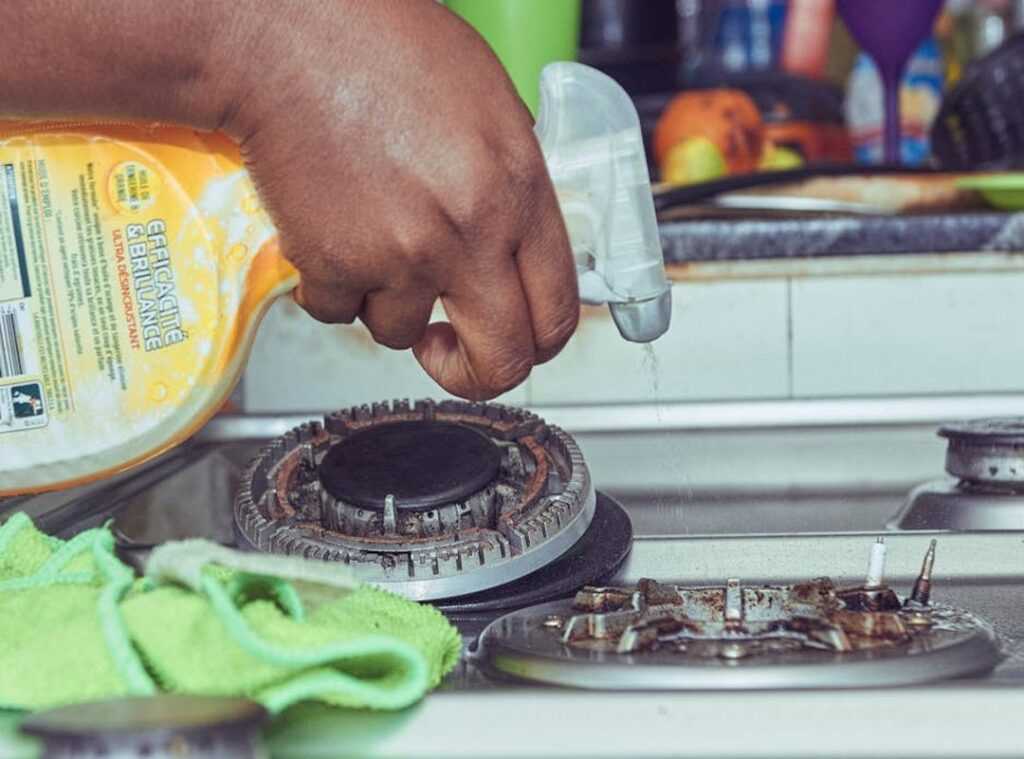
- Wiping kitchen counters after use
- A quick sweep of the kitchen floor
- Sorting incoming mail
Daily vs. Weekly mindset: Skip these for three days and you’ll feel behind. Skip them for a week and you’re overwhelmed. The 15-minute tidy keeps your home in “company-ready adjacent” condition (not perfect, just peaceful).
Weekly Tasks: The “Power Hour”
Weekly jobs are bigger but manageable when structured. You have two strong options:
Method 1: Room-of-the-Day
- Monday: Bathrooms
- Tuesday: Dusting/Vacuuming
- Wednesday: Kitchen reset
Method 2: Task Batching
- One day: Clean all floors
- Another day: Clean all surfaces
Room focus vs. Task batching: Room-of-the-Day feels contained and satisfying. Task batching builds momentum and efficiency (less hauling supplies around). Which works better for your energy style?
Monthly & Quarterly Tasks: The “Deep Dive”
These are preventive care tasks that protect your space long term:
- Cleaning inside the oven and microwave
- Washing windows
- Deep cleaning the refrigerator
- Descaling the coffee maker
Monthly vs. Quarterly comes down to usage. Heavy-use kitchens may need monthly fridge resets; guest-room windows can wait.
A structured home maintenance schedule transforms chaos into rhythm. Small daily resets, focused weekly effort, and intentional deep dives—that’s how homes stay functional without feeling like a full-time job.
Step 3: Your Toolkit for Effortless Execution

Half the battle of keeping a home clean isn’t motivation—it’s accessibility. If your vacuum lives in a hard-to-reach closet or your microfiber cloths are scattered across drawers, you’ve created friction (and friction kills follow-through). The solution is simple: make the right tools impossible to ignore.
Create portable cleaning caddies:
- A fully stocked bathroom caddy (disinfectant spray, glass cleaner, cloths, scrub brush)
- A general household caddy (all-purpose cleaner, duster, wipes, trash bags)
This cuts “prep time” to zero and turns a 20-minute chore into a 5-minute reset. Pro tip: store refills directly behind each caddy so you’re never hunting for supplies mid-task.
Next, adopt two powerful mindset shifts:
- The One-Touch Rule: Handle items once—don’t move mail from counter to table to desk. Decide immediately.
- Habit Stacking: Attach cleaning to routines, like wiping the shower right after using it (wet surfaces clean faster).
Some argue tools and systems are overkill—“Just clean when it’s messy.” But consistent systems outperform bursts of effort every time (see research on habit formation from James Clear’s behavior studies).
To involve others, use a shared digital checklist, divide clear zones, and align tasks with your home maintenance schedule. For daily structure, revisit 10 minute daily habits that keep your home in top shape.
Step 4: Making It Stick — How to Stay Consistent and Flexible
Stress that a routine is a guide, not a rigid set of rules. The goal is progress, not perfection. Research from University College London found it takes 66 days to form a habit, so consistency beats intensity. Life happens, and missing a day won’t erase momentum (seriously). Embrace the “Something is Better Than Nothing” principle. If you have five minutes, wipe counters or review your home maintenance schedule. After 2-3 weeks, schedule a routine review. Studies show evaluations increase follow-through by 30%, helping you adjust what’s not working.
Remember that exhausting loop: clutter piles up, you feel behind, and suddenly your weekend disappears into a massive cleanup. I’ve seen it happen too many times, and I firmly believe it’s not laziness—it’s a lack of a system.
The real fix isn’t another frantic purge. It’s a consistent, personalized routine that works with your life, not against it. A simple home maintenance schedule creates momentum instead of chaos.
You now have the framework:
- Audit what truly needs attention.
- Build small, repeatable habits.
Start today. Do the home audit. Keep it light. Progress begins there. Right now, not someday.
As you establish your daily home maintenance schedule, consider how earthy color palettes can enhance your environment, creating a warm and inviting space that motivates you to keep up with your tasks – for more details, check out our Earthy Color Palettes: A Guide to Warm and Natural Interiors.
Keep Your Home Running Smoothly Year-Round
You came here looking for practical ways to keep your home clean, organized, and stress-free. Now you have a clearer path forward—with room-by-room strategies, smarter cleaning routines, and simple habits that make upkeep manageable instead of overwhelming.
The biggest frustration for most homeowners isn’t cleaning itself—it’s falling behind and feeling like the mess keeps coming back. That’s where a structured home maintenance schedule changes everything. When you know exactly what to do and when to do it, you prevent costly repairs, reduce daily stress, and keep every space feeling fresh and functional.
Don’t let small issues turn into major headaches. Start implementing a realistic routine today, prioritize the areas that need attention most, and stay consistent. If you want trusted, practical solutions that simplify upkeep and help you stay ahead, explore our expert-backed tips and step-by-step guides now. Take control of your home today—and make maintenance easier than ever.
 Interior Styling Consultant
Agnes Pakenzone has opinions about room-specific cleaning techniques. Informed ones, backed by real experience — but opinions nonetheless, and they doesn't try to disguise them as neutral observation. They thinks a lot of what gets written about Room-Specific Cleaning Techniques, Home Care Strategies and Fixes, Interior Styling Ideas and Trends is either too cautious to be useful or too confident to be credible, and they's work tends to sit deliberately in the space between those two failure modes.
Reading Agnes's pieces, you get the sense of someone who has thought about this stuff seriously and arrived at actual conclusions — not just collected a range of perspectives and declined to pick one. That can be uncomfortable when they lands on something you disagree with. It's also why the writing is worth engaging with. Agnes isn't interested in telling people what they want to hear. They is interested in telling them what they actually thinks, with enough reasoning behind it that you can push back if you want to. That kind of intellectual honesty is rarer than it should be.
What Agnes is best at is the moment when a familiar topic reveals something unexpected — when the conventional wisdom turns out to be slightly off, or when a small shift in framing changes everything. They finds those moments consistently, which is why they's work tends to generate real discussion rather than just passive agreement.
Interior Styling Consultant
Agnes Pakenzone has opinions about room-specific cleaning techniques. Informed ones, backed by real experience — but opinions nonetheless, and they doesn't try to disguise them as neutral observation. They thinks a lot of what gets written about Room-Specific Cleaning Techniques, Home Care Strategies and Fixes, Interior Styling Ideas and Trends is either too cautious to be useful or too confident to be credible, and they's work tends to sit deliberately in the space between those two failure modes.
Reading Agnes's pieces, you get the sense of someone who has thought about this stuff seriously and arrived at actual conclusions — not just collected a range of perspectives and declined to pick one. That can be uncomfortable when they lands on something you disagree with. It's also why the writing is worth engaging with. Agnes isn't interested in telling people what they want to hear. They is interested in telling them what they actually thinks, with enough reasoning behind it that you can push back if you want to. That kind of intellectual honesty is rarer than it should be.
What Agnes is best at is the moment when a familiar topic reveals something unexpected — when the conventional wisdom turns out to be slightly off, or when a small shift in framing changes everything. They finds those moments consistently, which is why they's work tends to generate real discussion rather than just passive agreement.