
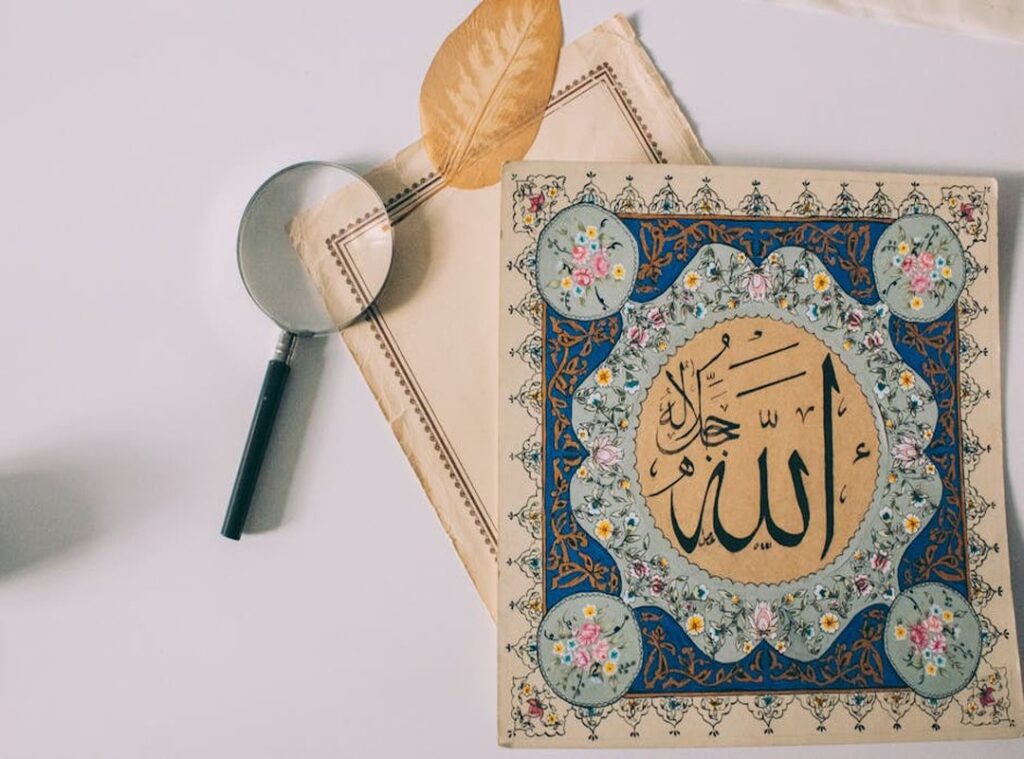
Sometimes it feels like everything’s going wrong. You know the feeling—minor annoyances pile up, or a major setback hits, and it’s hard to stay positive.
I’ve been there. We all have.
But what if I told you there’s a simple phrase that can change your outlook?
It’s called alhamdulillah ala kulli haal.
This isn’t just another feel-good saying. It’s a profound spiritual tool that helps navigate life’s ups and downs.
In this article, we’ll go beyond a simple translation. We’ll dive into the deep meaning, psychological benefits, and practical ways to use this powerful expression.
My goal is to show you how this phrase can shift your perspective from one of reaction to one of profound acceptance and gratitude.
Trust me, it’s not just about learning a new phrase. It’s about finding real contentment in every circumstance.
The Foundational Meaning: Breaking Down the Words
Praise and thanks be to Allah in every situation or …for every state of being. Let’s break it down.
Alhamdulillah means All praise and thanks are for God. Simple, right?
Ala translates to upon/for. It’s like saying “for” in English.
Kulli means all/every. There’s no ambiguity here; it’s all-encompassing.
Haal refers to state/condition/situation. It covers everything from joy to hardship.
Now, alhamdulillah is often said in times of ease. But adding Ala Kulli Haal changes the game.
It explicitly extends gratitude to encompass states of difficulty, hardship, and loss, not just moments of joy.
Think of it like a sailor thanking the sea for both calm waters and the storms that make them a better captain. It’s about embracing all experiences, good and bad.
Alhamdulillah ala kulli haal maksud—this phrase is rooted in Islamic tradition and prophetic teachings. It’s a reminder to find gratitude in every moment, no matter how challenging.
This deeper understanding helps us stay grounded and appreciative, even when things get tough.
Beyond Words: The Spiritual Significance of Gratitude in Hardship
Gratitude in hardship is a powerful concept. It’s an active declaration of trust in a higher wisdom, even when things get tough.
Why is this happening to me? That’s the question we often ask. But what if we shifted our focus?
What if we moved from that question to a position of faith? There is a reason and a good in this, even if I cannot see it.
This isn’t about toxic positivity or denying pain. It’s about acknowledging the hardship while affirming faith and gratitude for the overall journey.
In many spiritual traditions, this practice builds resilience. In Islam, it’s called sabr, or patience. This transforms trials from punishments into opportunities for growth and purification.
Despair, anger, or bitterness are common reactions. But alhamdulillah ala kulli haal maksud provides a constructive spiritual alternative. It means “praise be to God in all conditions.”
Let me share a story. A farmer once faced a terrible drought. His crops withered, and his family struggled.
Yet, every day, he would say, “Alhamdulillah.” People thought he was crazy. But one day, the rains came, and his land flourished. He had never lost hope, and his faith carried him through.
This mindset can change everything. It helps us find meaning and strength in the toughest times.
Practical Application: When and How to Use This Phrase
Spilling coffee on your shirt in the morning can set a bad tone for the day. But what if you took a deep breath, acknowledged the frustration, and said alhamdulillah ala kulli haal maksud?
Hitting traffic when you’re already late for a meeting. It’s frustrating. Take a moment, acknowledge it, and say the phrase.
It helps.
Receiving disappointing news, like a project getting delayed. It’s tough. Acknowledge the feeling, take a deep breath, and use the phrase.
It shifts your perspective.
Facing a financial setback or dealing with a health issue. These are significant challenges. The phrase can be a reminder to find peace and gratitude even in hard times.
Experiencing a loss. Grief is overwhelming. Using the phrase can help you find a moment of calm and acceptance.
The internal process is simple. Take a deep breath, acknowledge the feeling, and then consciously say the phrase, either aloud or internally.
You can also use the phrase in moments of ease. It helps cultivate a consistent state of gratitude and prevents complacency.
Try this: Consciously use the phrase once a day for a week, for any situation, big or small. Observe how it changes your emotional response.
The goal isn’t to instantly feel happy. It’s to introduce a moment of peace and perspective into a challenging situation.
Pro tip: Keep a how to create a functional home emergency kit handy. It’s a practical way to stay prepared and reduce stress.
The Psychological Impact: Building Resilience and Contentment
Spiritual practices can be deeply connected to modern psychological concepts like radical acceptance, cognitive reframing, and mindfulness. These tools help us shift our mindset and find peace in the present moment.
Regularly affirming gratitude in all situations can literally rewire the brain. It builds stronger neural pathways for resilience. This means you start to naturally look for the positives, even in tough times.
Stress and anxiety take a huge emotional toll. But this mindset creates a buffer between an event and your reaction to it. It’s like having a shield that protects your mental health.
Think of it as reclaiming personal power. Instead of being a victim of circumstance, you become an active participant in your spiritual and emotional response. Alhamdulillah ala kulli haal maksud—gratitude in all conditions.
The long-term benefit? A deep, abiding sense of inner peace (sakina) that isn’t dependent on external conditions being perfect. This internal contentment is the ultimate goal.
It’s a state of being that remains unshaken by the inevitable ups and downs of life.
Embracing Every Chapter of Your Story
Alhamdulillah ala kulli haal maksud is more than a phrase; it’s a complete framework for living a life of trust, resilience, and unwavering gratitude. Its true power lies in its application during difficult times, transforming challenges into catalysts for spiritual growth.
This practice offers a path to a stable, internal peace that isn’t swayed by the constant ups and downs of the external world. Begin incorporating this phrase into your daily life, starting today, and patiently observe the profound peace it can bring.
 Interior Styling Consultant
Agnes Pakenzone has opinions about room-specific cleaning techniques. Informed ones, backed by real experience — but opinions nonetheless, and they doesn't try to disguise them as neutral observation. They thinks a lot of what gets written about Room-Specific Cleaning Techniques, Home Care Strategies and Fixes, Interior Styling Ideas and Trends is either too cautious to be useful or too confident to be credible, and they's work tends to sit deliberately in the space between those two failure modes.
Reading Agnes's pieces, you get the sense of someone who has thought about this stuff seriously and arrived at actual conclusions — not just collected a range of perspectives and declined to pick one. That can be uncomfortable when they lands on something you disagree with. It's also why the writing is worth engaging with. Agnes isn't interested in telling people what they want to hear. They is interested in telling them what they actually thinks, with enough reasoning behind it that you can push back if you want to. That kind of intellectual honesty is rarer than it should be.
What Agnes is best at is the moment when a familiar topic reveals something unexpected — when the conventional wisdom turns out to be slightly off, or when a small shift in framing changes everything. They finds those moments consistently, which is why they's work tends to generate real discussion rather than just passive agreement.
Interior Styling Consultant
Agnes Pakenzone has opinions about room-specific cleaning techniques. Informed ones, backed by real experience — but opinions nonetheless, and they doesn't try to disguise them as neutral observation. They thinks a lot of what gets written about Room-Specific Cleaning Techniques, Home Care Strategies and Fixes, Interior Styling Ideas and Trends is either too cautious to be useful or too confident to be credible, and they's work tends to sit deliberately in the space between those two failure modes.
Reading Agnes's pieces, you get the sense of someone who has thought about this stuff seriously and arrived at actual conclusions — not just collected a range of perspectives and declined to pick one. That can be uncomfortable when they lands on something you disagree with. It's also why the writing is worth engaging with. Agnes isn't interested in telling people what they want to hear. They is interested in telling them what they actually thinks, with enough reasoning behind it that you can push back if you want to. That kind of intellectual honesty is rarer than it should be.
What Agnes is best at is the moment when a familiar topic reveals something unexpected — when the conventional wisdom turns out to be slightly off, or when a small shift in framing changes everything. They finds those moments consistently, which is why they's work tends to generate real discussion rather than just passive agreement.