That drip-drip-drip isn’t just your sanity slipping away. It’s the sound of money draining too. Plumbing problems can feel like they require a professional (and an empty wallet), but surprisingly, many of these issues have simple solutions you can tackle yourself.
You might be wondering, can I really fix this without a plumber? Absolutely. With this guide, you’ll dive into the world of diy plumbing fixes, learning easy, jargon-free tips to tackle those pesky leaks and clogs.
I’ve helped countless homeowners turn plumbing panic into accomplishment. You’ll walk away ready to handle small plumbing problems with confidence.
Step Zero: Stopping Chaos Before It Begins
Before you even think about grabbing a wrench, let’s talk damage control. When it comes to diy plumbing fixes, the first move isn’t repair. It’s stopping the water.
Trust me, the last thing you want is a swimming pool where your bathroom floor used to be.
First, find that small, football-shaped handle under your sink or behind the toilet. Turn it to shut off the water locally. Simple, right?
But wait, there’s more. You might need to tackle the main water shut-off for the whole house. Look in the basement, garage, or utility closet.
It usually looks like an oversized metal wheel or lever.
Once the water’s off, clear out anything that doesn’t like getting wet. Toss down some old towels. You’ll thank yourself later.
It’s all about calming the chaos before diving into identifying repairing roof leaks quickly. Because why make things harder than they need to be?
Important DIY Plumbing Kit: No Van Required
Think you need a whole van to tackle plumbing jobs? Nope. A small, well-chosen toolkit can handle most minor diy plumbing fixes. to what you really need.
First up, a bucket and rags. Your best friends for any mess. Trust me, water will find its way out, and these are your cleanup crew.
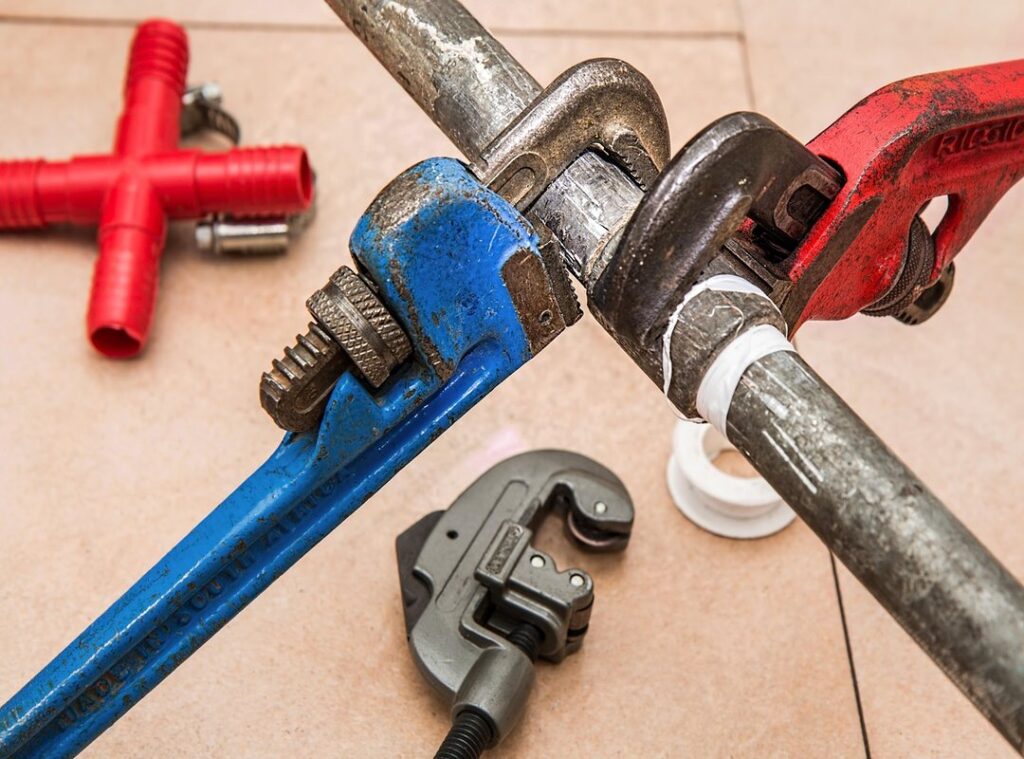
Next, an adjustable wrench. It’s the chameleon of tools, fitting most nuts and bolts on pipes. Versatile gear like this saves you from unnecessary headaches.
Now, I can’t stress enough the importance of tongue-and-groove pliers. They’re perfect for gripping larger pipes or those stubborn parts that just won’t budge. Moving on to plumber’s tape (this) isn’t your ordinary tape.
It seals threads to prevent leaks, not for patching holes. You’re sealing threads, not mending a fence.
Finally, get a hand snake (also known as a drain auger). It’s a flexible tool that pulls out hair and gunk from drains. A much better first step than dumping harsh chemicals down there.
Speaking of first steps, have you checked out these easy diy plumbing repairs for common issues?
Keeping it simple is key. Who needs a van when a bucket will do?
Plumbing Woes: Fixing the Big Three
to the messy world of diy plumbing fixes. It’s personal, it’s practical, and, honestly, it’s often infuriating. You know what I’m talking about, right?
Those minor problems that turn into major headaches. Let’s get our hands dirty with the top three most annoying plumbing issues. Grab your toolbox.
The Never-Ending Drip: How to Fix a Leaky Faucet
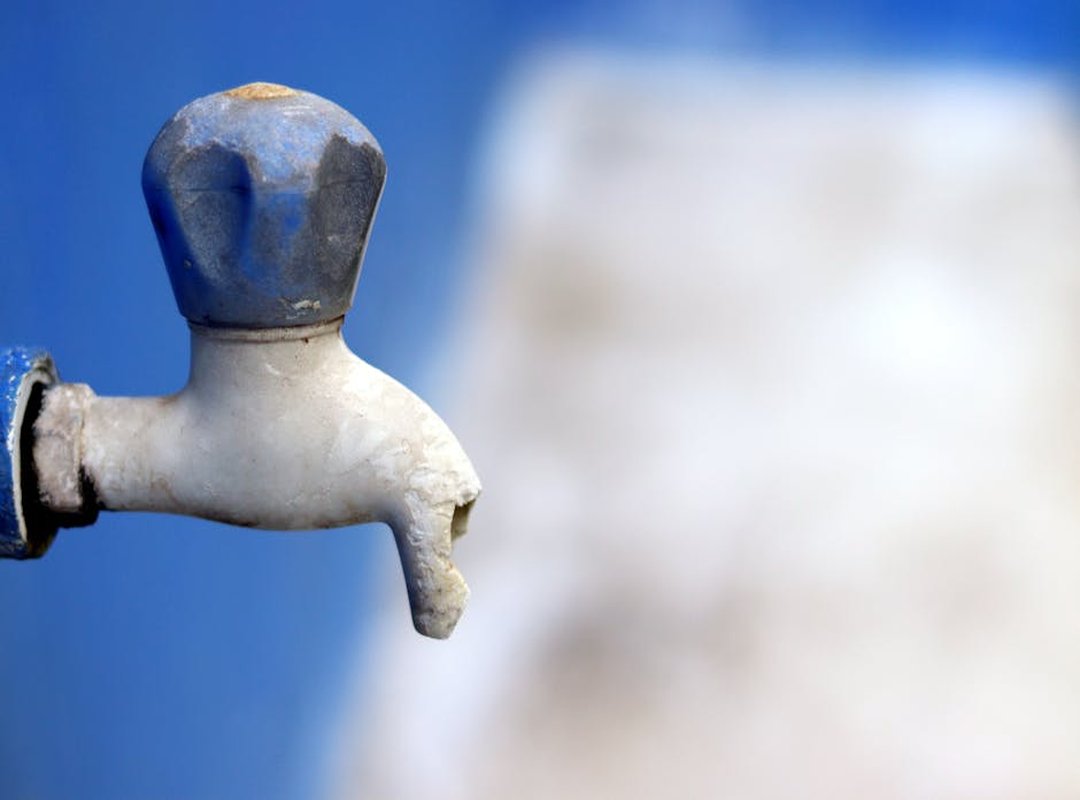
Leaky faucets are the worst. That drip-drip-drip sound can drive anyone up the wall. The main culprit?
A worn-out rubber washer or O-ring. It’s a small, cheap piece. Less than a dollar, really (but) it can cause a lot of trouble if ignored.
So here’s what you do. First, turn off the water supply under the sink. (Don’t skip this or you’ll end up soaked.) Cover the drain, too. You don’t want any small parts going missing.
Pry off the handle cap gently and unscrew the handle. Next, use a wrench to remove the packing nut. Pull out that old washer or O-ring and, trust me, take it to the store.
You need an exact match. Finally, reassemble everything.
The Slow Drain: Unclogging a Sink or Shower
Slow drains are a pain. Do chemical cleaners work? Sometimes, but they can also ruin your pipes.
Instead, start with mechanical methods. A simple cup plunger is your friend here. Create a seal by pressing it firmly, then give it a few strong plunges.
If that doesn’t work, time to use the hand snake. Feed it down the drain until you feel resistance. Twist it, and you should grab the clog.
Then, pull it out slowly. It’s a bit gross, but it works.
The Phantom Flush: Silencing a Running Toilet
A running toilet is a sneaky water waster. Yet, it’s probably the easiest fix of all. Do the ‘food coloring test’.
Put a few drops in the tank (not the bowl) and wait 20 minutes. If you see color in the bowl, the flapper’s leaking.
Replacing it is simple. Unhook the old flapper and clip a new one into place. Easy as pie.
You’ll be saving water in no time.
Pro tip: While you’re at it, consider checking out how to properly seal windows and doors. It can save you money in the long run.
There you go. Three annoying plumbing problems tackled head-on. Remember, don’t ignore these little issues.
They’ll grow into bigger ones if you do. Plus, there’s nothing more satisfying than fixing things yourself. Beats calling a plumber every time, doesn’t it?
Keep these tips handy and tackle your next plumbing headache with confidence.
The ‘Stop & Call a Pro’ Checklist: Know Your Limits
Let’s talk about the one thing that can save you a ton of money and prevent some serious disasters: knowing when not to tackle diy plumbing fixes. It’s huge. I’ve been there, thinking I could handle a problem myself, only to make things worse.
Trust me, it’s not worth the risk.
Got major water damage on ceilings or walls? Call a Pro. It’s beyond a simple patch-up job. Seeing a pattern of low water pressure throughout your home? Yeah, that’s another red flag.
You guessed it: Call a Pro. You smell sewage or natural gas? Don’t even hesitate. That’s an emergency situation.
If your water heater’s acting up (and it’s more than just relighting the pilot light), let the pros handle it. The same goes for the main water line. These aren’t the types of things you want to mess with.
A pipe burst or is actively leaking inside a wall? You can already picture the mess. This is not a drill; pick up the phone.
A completely blocked drain that won’t budge, no matter how much you snake it? Time to admit defeat. But here’s the kicker: calling in an expert isn’t a defeat at all.
It’s actually a smart move. You’re protecting your home and saving yourself from a bigger headache down the road.
So, next time you’re faced with a plumbing issue, ask yourself: is this the moment I should step back and let a professional handle it? Chances are, you’ll save yourself more than just a few bucks.
Master Your Plumbing Problems
Annoyed by drips, clogs, and running toilets? You’re not alone. But now, you’re ready to tackle them.
With some diy plumbing fixes, you can handle the basics yourself. You’ve got the confidence to sort out simple issues and the wisdom to call in the pros when needed. Don’t wait for a leak to turn into a flood.
Grab this guide and put together your basic plumbing toolkit this weekend. You’ll thank yourself later. Trust me, it’s empowering to take charge of your home’s plumbing.
Ready to dive in? Your satisfaction is just a toolkit away.
 Founder & Creative Director
There is a specific skill involved in explaining something clearly — one that is completely separate from actually knowing the subject. Kaelith Kryndall has both. They has spent years working with highlight hub in a hands-on capacity, and an equal amount of time figuring out how to translate that experience into writing that people with different backgrounds can actually absorb and use.
Kaelith tends to approach complex subjects — Highlight Hub, Home Care Strategies and Fixes, Useful Stuff being good examples — by starting with what the reader already knows, then building outward from there rather than dropping them in the deep end. It sounds like a small thing. In practice it makes a significant difference in whether someone finishes the article or abandons it halfway through. They is also good at knowing when to stop — a surprisingly underrated skill. Some writers bury useful information under so many caveats and qualifications that the point disappears. Kaelith knows where the point is and gets there without too many detours.
The practical effect of all this is that people who read Kaelith's work tend to come away actually capable of doing something with it. Not just vaguely informed — actually capable. For a writer working in highlight hub, that is probably the best possible outcome, and it's the standard Kaelith holds they's own work to.
Founder & Creative Director
There is a specific skill involved in explaining something clearly — one that is completely separate from actually knowing the subject. Kaelith Kryndall has both. They has spent years working with highlight hub in a hands-on capacity, and an equal amount of time figuring out how to translate that experience into writing that people with different backgrounds can actually absorb and use.
Kaelith tends to approach complex subjects — Highlight Hub, Home Care Strategies and Fixes, Useful Stuff being good examples — by starting with what the reader already knows, then building outward from there rather than dropping them in the deep end. It sounds like a small thing. In practice it makes a significant difference in whether someone finishes the article or abandons it halfway through. They is also good at knowing when to stop — a surprisingly underrated skill. Some writers bury useful information under so many caveats and qualifications that the point disappears. Kaelith knows where the point is and gets there without too many detours.
The practical effect of all this is that people who read Kaelith's work tend to come away actually capable of doing something with it. Not just vaguely informed — actually capable. For a writer working in highlight hub, that is probably the best possible outcome, and it's the standard Kaelith holds they's own work to.