Dealing with plumbing issues at home can be stressful, especially when a small leak or clog quickly turns into a bigger, more expensive problem. If you’re searching for practical ways to fix common plumbing problems, you likely want clear steps, reliable advice, and solutions that actually work without immediately calling a professional. This article is designed to give you exactly that.
We’ll walk through the most frequent household plumbing issues, explain why they happen, and provide straightforward, room-specific techniques to resolve them efficiently. From slow drains and dripping faucets to low water pressure and running toilets, you’ll learn what to check first and how to handle repairs safely.
Our guidance is based on proven home care strategies, hands-on maintenance experience, and widely recommended best practices used by professionals. By the end, you’ll feel more confident tackling everyday plumbing challenges and keeping your home’s water systems running smoothly.
Your First-Aid Guide to Home Plumbing Problems
That constant drip at 2 a.m. can feel like psychological warfare. Slow drains test patience and hint at costly damage. I believe every homeowner should know how to fix common plumbing problems before panicking. This guide gives practical, safe steps you can handle with a wrench and baking soda. No fancy gear required. You will save money, skip unnecessary service calls, and build confidence. Some argue DIY risks bigger leaks. I disagree—careful, basic maintenance prevents disasters. Start small, turn off the water, and trust your hands. A little effort beats flooded kitchens.
The Essential DIY Plumbing Toolkit: Be Prepared, Not Panicked
A burst pipe at midnight sounds like a drum solo in your walls. Water splashes, cabinets swell, and panic rises fast. But preparation changes everything. With the right tools within reach, you can fix common plumbing problems before they spiral into soggy chaos.
Here’s what every home toolkit needs:
- Cup & Flange Plungers: The cup plunger fits flat sinks and tubs, creating that tight suction you can feel when you press down. The flange plunger has an extra rubber lip for toilets—without it, you’re just splashing water around (not heroic).
- Adjustable Wrench & Groove-Joint Pliers: These metal workhorses grip cold, stubborn nuts and fittings of different sizes.
- Small Drain Snake (Auger): Slides into the drain, snagging hair and gunk you’d rather not see.
- Plumber’s Tape (Teflon Tape): Wrap clockwise around threaded joints for a watertight seal.
- Bucket & Old Towels: Because drips happen—and they always sound louder at 2 a.m.
Clogged drains are one of the most common (and annoying) home issues—but you can fix common plumbing problems without calling a pro if you follow a smart, step‑by‑step approach.
Step 1: The Non-Chemical Approach
Before reaching for harsh cleaners, try boiling water. Carefully pour it down the drain in two stages, waiting a few seconds between pours. Next, add 1/2 cup baking soda followed by 1 cup vinegar. Let it fizz for 10–15 minutes (that bubbling action helps break down grease and soap scum), then flush with more hot water.
Step 2: Proper Plunging Technique
A plunger only works if there’s a tight seal. In sinks or tubs, cover the overflow drain with a wet cloth. Fill the basin with enough water to submerge the plunger’s rim. Pump firmly 10–15 times, maintaining the seal, then pull up sharply.
Step 3: Cleaning the P-Trap
Place a bucket under the U-shaped pipe (P-trap). Unscrew the slip nuts by hand, remove the trap, and clear debris. Rinse, reattach, and hand-tighten.
| Problem | Likely Cause | Best First Step |
|———-|————–|—————–|
| Slow drain | Soap buildup | Boiling water |
| Standing water | Hair clog | Plunge properly |
| Persistent odor | Debris in P-trap | Clean trap |
Start simple—most clogs surrender faster than you expect.
Silencing the Drip: A Simple Guide to Fixing a Leaky Faucet
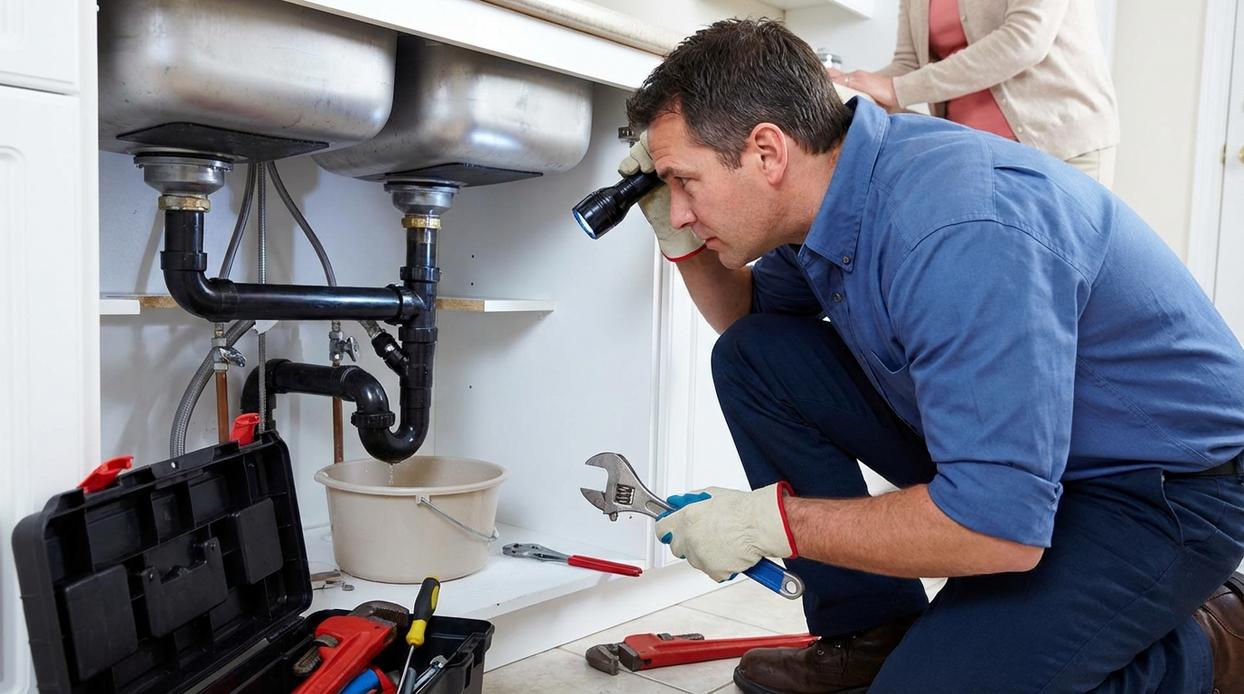
A dripping faucet might seem minor, but those steady plinks add up. According to the EPA, a faucet dripping once per second can waste over 3,000 gallons of water per year. That’s money literally going down the drain.
Step-by-Step Fix for a Worn Seal
Most leaks stem from a worn washer or O-ring (a small rubber ring that creates a watertight seal).
- Safety First: Turn off the water supply using the shutoff valves under the sink. Open the faucet to release pressure, and plug the drain so tiny screws don’t vanish.
- Disassembly: Gently pry off the decorative cap on the handle with a flathead screwdriver. Remove the screw beneath it and lift off the handle.
- The Fix: Use a wrench to loosen the packing nut. Pull out the stem to reveal the washer or O-ring. If it looks cracked or flattened, replace it with an exact match from the hardware store (bring the old one with you—pro tip).
- Reassembly: Reassemble in reverse order. Turn the water back on slowly and check for leaks.
This simple repair is one of the easiest ways to fix common plumbing problems and pairs perfectly with a regular preventative maintenance checklist to avoid costly repairs.
Stop a Constantly Running Toilet in Its Tracks
A constantly running toilet might not sound dramatic, but it can waste hundreds of gallons of water a day (EPA estimates leaks can waste nearly 10,000 gallons annually in a home). In other words, that faint hissing sound is money going down the drain.
First, try the flapper test. Add a few drops of food coloring into the tank and wait 10–15 minutes without flushing. If color appears in the bowl, the rubber flapper at the bottom of the tank is leaking. To replace it, turn off the water valve, flush to empty the tank, unhook the old flapper, and snap on a matching replacement.
Next, check the float. This device controls the tank’s water level. If water rises too high, it spills into the overflow tube. Adjust the float arm or screw so water stops just below the overflow pipe.
With these simple steps, you can fix common plumbing problems before they inflate your bill.
Know Your Limits: When to Put Down the Wrench and Call a Pro
DIY vs. Pro isn’t about pride; it’s about risk. Tightening a loose faucet? DIY. Water pouring through your ceiling? That’s pro territory.
| Situation | DIY or Pro? | Why |
|—|—|—|
| Dripping faucet | DIY | Minor wear and tear |
| Major leaks/burst pipes | Pro | Uncontrolled water damage |
| Whole-house low pressure | Pro | Possible main line issue |
| Sewer gas smell/backup | Pro | Health hazard |
| Water heater trouble | Pro | Gas/high pressure risks |
| Pipe modification/soldering | Pro | Code and safety concerns |
Some argue YouTube can fix common plumbing problems. Sometimes, yes. But when safety, structural damage, or permits are involved, comparison is clear: quick savings vs. costly mistakes.
Taking Control of Your Home’s Plumbing Health
You’ve learned how to fix common plumbing problems, and that’s no small thing. I didn’t always feel this confident. I once ignored a slow drip, thinking it was harmless (it wasn’t), and paid for it with a swollen cabinet base and a bigger bill than expected. Lesson learned: small issues don’t stay small.
Unexpected plumbing problems are stressful, especially when you’re unprepared. The solution? A basic toolkit and a simple plan.
- Keep a plunger, wrench, plumber’s tape, and flashlight handy.
Assemble your kit now. Future you will save time, money, and stress.
Take Control of Your Plumbing Problems Today
You came here because dripping faucets, slow drains, or low water pressure were disrupting your routine. Now you have practical, room-by-room insight to fix common plumbing problems before they turn into costly repairs.
Small plumbing issues have a way of becoming expensive emergencies when ignored. A minor leak can waste gallons of water. A slow drain can signal a deeper blockage. Staying proactive protects your home, your time, and your budget.
The good news? With the right maintenance habits and step-by-step strategies, you can prevent most issues before they escalate. Consistency is the key to keeping your plumbing system running smoothly year-round.
If you’re ready to stop stressing over unexpected leaks and clogs, start applying these tips today. For more trusted, practical home solutions and expert-backed advice homeowners rely on, explore our latest guides now and take the next step toward a worry-free home.
 Home Care Specialist & Operations Manager
Steven Washingtonavilo writes the kind of useful stuff content that people actually send to each other. Not because it's flashy or controversial, but because it's the sort of thing where you read it and immediately think of three people who need to see it. Steven has a talent for identifying the questions that a lot of people have but haven't quite figured out how to articulate yet — and then answering them properly.
They covers a lot of ground: Useful Stuff, Daily Home Maintenance Tips, Room-Specific Cleaning Techniques, and plenty of adjacent territory that doesn't always get treated with the same seriousness. The consistency across all of it is a certain kind of respect for the reader. Steven doesn't assume people are stupid, and they doesn't assume they know everything either. They writes for someone who is genuinely trying to figure something out — because that's usually who's actually reading. That assumption shapes everything from how they structures an explanation to how much background they includes before getting to the point.
Beyond the practical stuff, there's something in Steven's writing that reflects a real investment in the subject — not performed enthusiasm, but the kind of sustained interest that produces insight over time. They has been paying attention to useful stuff long enough that they notices things a more casual observer would miss. That depth shows up in the work in ways that are hard to fake.
Home Care Specialist & Operations Manager
Steven Washingtonavilo writes the kind of useful stuff content that people actually send to each other. Not because it's flashy or controversial, but because it's the sort of thing where you read it and immediately think of three people who need to see it. Steven has a talent for identifying the questions that a lot of people have but haven't quite figured out how to articulate yet — and then answering them properly.
They covers a lot of ground: Useful Stuff, Daily Home Maintenance Tips, Room-Specific Cleaning Techniques, and plenty of adjacent territory that doesn't always get treated with the same seriousness. The consistency across all of it is a certain kind of respect for the reader. Steven doesn't assume people are stupid, and they doesn't assume they know everything either. They writes for someone who is genuinely trying to figure something out — because that's usually who's actually reading. That assumption shapes everything from how they structures an explanation to how much background they includes before getting to the point.
Beyond the practical stuff, there's something in Steven's writing that reflects a real investment in the subject — not performed enthusiasm, but the kind of sustained interest that produces insight over time. They has been paying attention to useful stuff long enough that they notices things a more casual observer would miss. That depth shows up in the work in ways that are hard to fake.