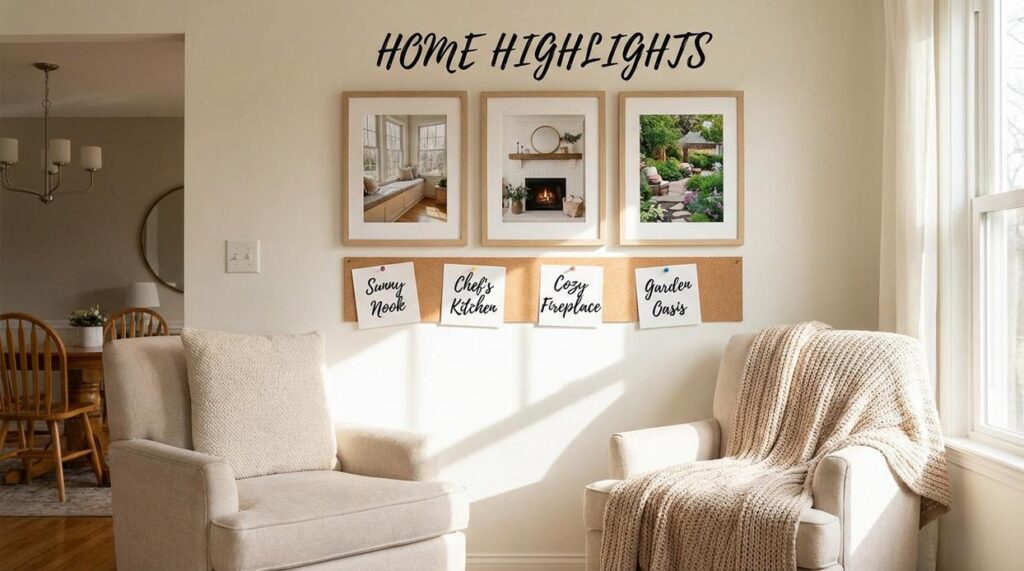
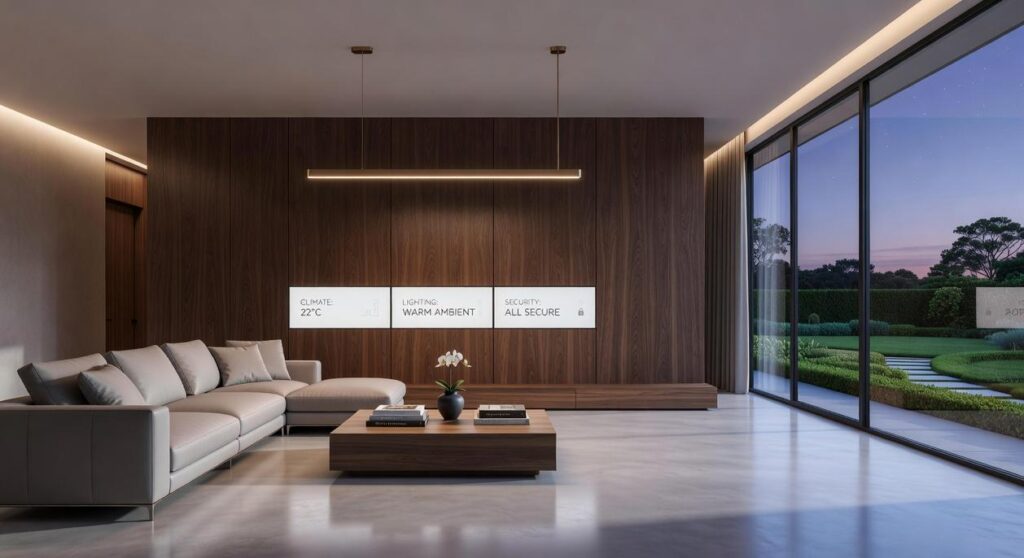
If you’re searching for ways to elevate your space with architectural detail decor, you’re likely looking for ideas that go beyond basic styling. You want practical, achievable upgrades that add character, depth, and visual interest to your home—without requiring a full renovation.
This article is designed to do exactly that. We’ll break down how architectural elements like molding, trim, wall paneling, ceiling features, and built-ins can transform ordinary rooms into refined, thoughtfully designed spaces. You’ll discover room-specific ideas, smart placement strategies, and maintenance tips to keep these details looking polished over time.
Our guidance is grounded in hands-on home care experience, practical interior styling knowledge, and proven maintenance strategies that prioritize both beauty and function. Whether you’re refreshing one room or enhancing your entire home, you’ll find clear, actionable insights to help you incorporate architectural details with confidence and lasting impact.
Most homeowners obsess over paint colors and throw pillows. I disagree. Those are costumes; the structure is the character. Architectural bones—moldings, ceiling height, window casings, stair profiles—create permanence and value (yes, even before the sofa arrives). When rooms feel generic, it’s rarely the decor; it’s ignored structure.
Focus on:
• Proportion and trim depth
• Built-ins that echo the home’s era
This is architectural detail decor at its core: enhancing what’s fixed rather than swapping what’s movable. Study your floor plan, note sightlines, measure symmetry. Upgrade casing, add paneling, refine hardware. The result is cohesive, timeless, unmistakably yours. Start today.
The Framework of Style: How Moldings and Trim Define a Room
Trim is often treated like an afterthought (until you see a room without it). In reality, it’s the architectural detail decor that quietly shapes how a space feels.
Crown Molding
Crown molding creates a graceful transition between wall and ceiling, softening what would otherwise be a hard angle. Simple, clean-lined profiles suit modern homes and keep ceilings feeling taller. Ornate, layered crowns add drama and formality—perfect for traditional dining rooms or living spaces. If a room feels boxy, crown molding can visually “lift” it by drawing the eye upward.
Baseboards
Yes, they protect walls from scuffs and vacuum bumps—but they also anchor a room. Taller, more substantial baseboards make ceilings appear higher and the space more luxurious. A helpful rule of thumb:
- 8-foot ceilings: 3–5 inch baseboards
- 9–10-foot ceilings: 5–8 inch baseboards
Scaling trim to ceiling height keeps proportions balanced and prevents that awkward “something’s off” feeling.
Window and Door Casings
Casings frame your views and entryways. Thin, flat trim feels minimal and contemporary. Wider, layered casings add visual weight and craftsmanship, making even standard windows look custom. Think of them as picture frames—more substantial frames elevate the art.
Practical Application
In bathrooms, choose moisture-resistant materials like PVC or properly sealed MDF to prevent swelling. In dining rooms, add wainscoting to create a classic “picture frame” wall effect—instantly refined without overwhelming the space.
When thoughtfully chosen, trim doesn’t just finish a room—it defines it.
Look Up: Creating Drama and Dimension with Ceilings
Designers call the ceiling the “fifth wall,” but most homeowners forget it exists. “You’re missing HALF the room,” one architect told me when I confessed I’d painted every wall and ignored what was overhead. That’s where architectural detail decor changes everything.
Coffered Ceilings
A coffered ceiling features a grid of beams with recessed panels. Think classic libraries or formal living rooms. “It makes the room feel established, like it’s always been there,” a homeowner once said after adding one to her study. The structure creates rhythm and depth—almost like a chessboard above your head (but far more elegant).
Beamed Ceilings
Beamed ceilings swap subtlety for statement. Rustic, heavy wood beams bring farmhouse warmth; sleek, painted beams feel modern and tailored. “The beams draw your eye across the room,” a contractor explained. They add texture and natural flow, guiding movement without walls.
Tray Ceilings
A tray ceiling is recessed in the center, creating a layered effect that adds height. “It made my bedroom feel taller overnight,” one client said. Often paired with a chandelier in dining rooms, trays create instant FOCAL POINTS.
Still unsure? Start with how to identify your homes best features and make them stand out and let your ceiling join the conversation.
Integrated Elegance: The Power of Built-ins and Niches

In many homes—especially classic Colonials in New England or newer craftsman builds across the Pacific Northwest—built-ins are more than storage. They’re architectural statements. When done right, they blur the line between structure and style, proving that function and form don’t have to compete. In fact, the best architectural detail decor feels as though it was always meant to be there (because, ideally, it was).
Bookshelves and Cabinetry
Floor-to-ceiling built-ins flanking a fireplace instantly create a commanding focal point. In open-concept layouts common in suburban developments, this kind of millwork helps anchor the living room so it doesn’t feel like it’s floating in space. Beyond aesthetics, the utility is unmatched—concealed cabinetry below can hide media equipment, board games, or seasonal décor. While some argue freestanding shelves are more flexible, custom built-ins increase perceived home value and maximize every inch, particularly in high-cost-per-square-foot markets (National Association of Realtors notes built-ins as desirable features in resale listings).
Window Seats
Meanwhile, a window seat transforms an awkward bay or dormer into a cozy nook. In older brownstones or attic conversions, these spots often go underused. Add a hinged lid or deep drawers beneath, and you’ve created stealth storage for blankets or shoes. Plus, the soft lines and layered cushions visually “hug” the room, making larger spaces feel intimate.
Arched Niches and Pass-throughs
Finally, arches. A soft arch introduces gentle curves that break up flat drywall expanses, while a more formal Roman arch feels structured and traditional. These niches are perfect for displaying ceramics, framed art, or family heirlooms—like a curated gallery, but built right into the bones of your home.
The Finishing Touches
I’ve always believed hardware is the jewelry of a home—the final layer of architectural detail decor that quietly defines everything. Treat knobs, pulls, and faucets as integral elements, not afterthoughts (because they’re what you touch every day).
Choose one metal finish—brushed brass or matte black—and repeat it for cohesion. Mixing can work, but consistency feels intentional.
- A single statement sconce can anchor a hallway.
A vintage fixture deepens a Craftsman mood, while a minimalist faucet sharpens a Modern space. Details aren’t small; they’re decisive. In my view, restraint always elevates the room. Less truly becomes more.
Crafting a Cohesive Home with Architectural Integrity
A truly memorable home isn’t built on furniture alone. It’s shaped by architectural integrity—the intentional use of structure and detail to create harmony. Without it, rooms can feel impersonal, like a staged set waiting for character (and no one wants their living room to feel like a furniture showroom).
Layering moldings, ceiling treatments, and built-ins transforms blank space into architectural detail decor that feels collected and complete.
Some argue minimalism makes details unnecessary. Perhaps. But speculation suggests future design trends will favor depth and craftsmanship over flat simplicity.
• Choose one room.
• Add one meaningful detail.
• Build from there.
Bring Your Space Together with Confidence
You started this journey looking for practical ways to make your home feel cleaner, more organized, and beautifully pulled together. Now you have the strategies to maintain every room with purpose and elevate your space with thoughtful architectural detail decor that adds character without overwhelming your style.
A home that feels chaotic or unfinished can quietly drain your energy every day. The good news? Small, consistent maintenance habits and intentional design choices can completely transform how your space looks and feels.
Now it’s time to take action. Choose one room, apply the cleaning techniques you’ve learned, and layer in architectural detail decor to create depth and personality. If you’re ready for step-by-step guidance, room-specific tips, and practical solutions that actually work, explore more expert-backed home strategies today and start turning your house into a space you truly love.
 Interior Styling Consultant
Agnes Pakenzone has opinions about room-specific cleaning techniques. Informed ones, backed by real experience — but opinions nonetheless, and they doesn't try to disguise them as neutral observation. They thinks a lot of what gets written about Room-Specific Cleaning Techniques, Home Care Strategies and Fixes, Interior Styling Ideas and Trends is either too cautious to be useful or too confident to be credible, and they's work tends to sit deliberately in the space between those two failure modes.
Reading Agnes's pieces, you get the sense of someone who has thought about this stuff seriously and arrived at actual conclusions — not just collected a range of perspectives and declined to pick one. That can be uncomfortable when they lands on something you disagree with. It's also why the writing is worth engaging with. Agnes isn't interested in telling people what they want to hear. They is interested in telling them what they actually thinks, with enough reasoning behind it that you can push back if you want to. That kind of intellectual honesty is rarer than it should be.
What Agnes is best at is the moment when a familiar topic reveals something unexpected — when the conventional wisdom turns out to be slightly off, or when a small shift in framing changes everything. They finds those moments consistently, which is why they's work tends to generate real discussion rather than just passive agreement.
Interior Styling Consultant
Agnes Pakenzone has opinions about room-specific cleaning techniques. Informed ones, backed by real experience — but opinions nonetheless, and they doesn't try to disguise them as neutral observation. They thinks a lot of what gets written about Room-Specific Cleaning Techniques, Home Care Strategies and Fixes, Interior Styling Ideas and Trends is either too cautious to be useful or too confident to be credible, and they's work tends to sit deliberately in the space between those two failure modes.
Reading Agnes's pieces, you get the sense of someone who has thought about this stuff seriously and arrived at actual conclusions — not just collected a range of perspectives and declined to pick one. That can be uncomfortable when they lands on something you disagree with. It's also why the writing is worth engaging with. Agnes isn't interested in telling people what they want to hear. They is interested in telling them what they actually thinks, with enough reasoning behind it that you can push back if you want to. That kind of intellectual honesty is rarer than it should be.
What Agnes is best at is the moment when a familiar topic reveals something unexpected — when the conventional wisdom turns out to be slightly off, or when a small shift in framing changes everything. They finds those moments consistently, which is why they's work tends to generate real discussion rather than just passive agreement.