
Unexpected home repairs have a way of showing up at the worst possible moment—right before guests arrive, during a holiday weekend, or when your budget is already stretched thin. The real problem isn’t just the repair itself; it’s the cycle of constantly reacting instead of preventing. This guide helps you break that cycle with a clear, practical system for spotting home repair issues early and handling them before they spiral into costly emergencies. You’ll learn what to check, when to check it, and how to recognize subtle warning signs—so you can protect your home, your time, and your wallet with confidence.
The Core Systems Check: What to Inspect Year-Round
Your home’s core systems don’t wait for a convenient season to fail. That’s why spotting home repair issues early matters in January just as much as in July.
HVAC System
First, think of your HVAC as your home’s lungs. Change filters monthly; after three months of neglect, airflow drops and energy bills creep up (and no one enjoys paying extra for stale air). Listen for grinding or squealing—those noises often point to worn belts or struggling motors. Some argue filters can last a full quarter, but manufacturers like ENERGY STAR recommend regular checks to maintain efficiency (energystar.gov).
Plumbing and Water Heaters
Next, peek under sinks and around toilet bases for moisture. Even a small drip, left for weeks, can cause mold growth within 24–48 hours (EPA.gov). Check the water heater base for rust or corrosion.
Electrical Systems
Finally, test GFCI outlets monthly. If lights flicker or outlets feel warm, call a professional—immediately. For a broader routine, review this home maintenance checklist.
Spring Awakening: Your Post-Winter Inspection Plan
Winter leaves clues. Spotting home repair issues early in the section can save thousands. The choice is simple: inspect now or pay later.
The Exterior Envelope
Roof vs. Gutters: A missing shingle invites leaks, while clogged gutters force water under flashing. Both fail, but roof damage spreads faster.
Foundation vs. Driveway Cracks: Hairline driveway cracks are cosmetic; widening foundation gaps threaten structure. Choose which gets urgent attention.
Inspect for:
- Missing or curled shingles.
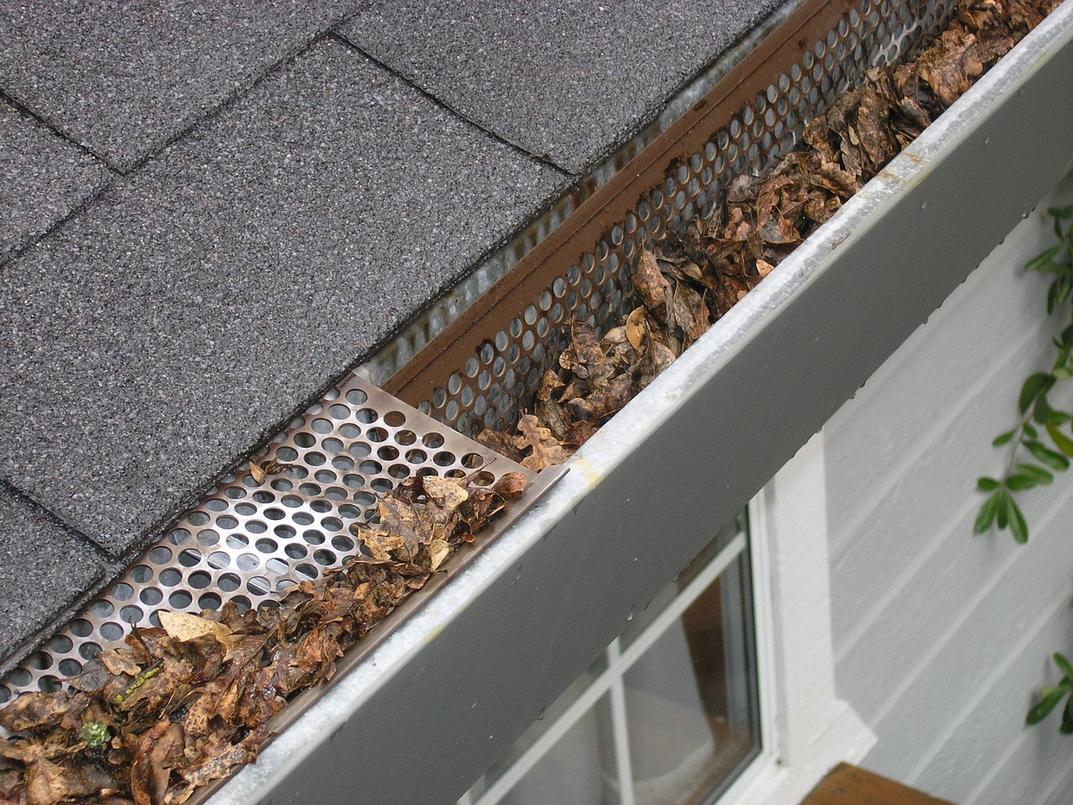
- Gutters packed with debris.
- Expanding cracks along slabs.
Windows, doors, and siding create another A vs. B moment. Peeling paint and cracked caulk seem minor, yet wood rot around frames signals moisture intrusion. Paint fixes appearance; caulk protects; rot requires repair (and maybe patience).
Yard grading offers a similar comparison: soil sloping toward the house invites basement dampness, while soil sloping away defends it. Fill low spots where water pools.
Finally, test exterior faucets for freeze damage. A steady stream means success; sputtering suggests a cracked line.
Pro tip: photograph trouble areas now to compare next spring. Small fixes today beat major renovations tomorrow. Think of it as preventive care for your biggest investment. Act early, rest easier all year. Ahead.
Summer-Proofing: Preparing for Heat and Storms
When late June rolls around and temperatures start hovering in the 90s, your home feels it too. Summer-proofing isn’t just about comfort; it’s about spotting home repair issues early before heat waves and sudden storms turn small problems into expensive ones.
Cooling and Ventilation
First, look beyond the AC unit. Attic and crawlspace vents (openings that allow air to circulate) should be clear of dust, insulation clumps, or nesting debris. Proper airflow reduces cooling costs and prevents moisture buildup, which can lead to mold (CDC). Back in 2022, after a particularly humid season in the Midwest, many homeowners discovered blocked soffit vents were trapping heat for months.
Some argue that if the AC works, vents don’t matter. But restricted airflow forces your system to run longer, increasing energy bills and wear. Pro tip: check vents at the start of summer and again after major storms.
Pest Patrol
Meanwhile, insects are in full swing. Termites leave mud tubes along foundations, carpenter ants scatter wood shavings, and wasps build nests under eaves. A quick inspection every few weeks can prevent structural damage (EPA).
Outdoor Structures
Finally, inspect decks, fences, and patios. Loose boards, popped nails, or rot weaken structural integrity. A wobbly railing isn’t “quirky”—it’s a liability. If you’re unsure where to begin, start with creating a daily home maintenance schedule that works.
Autumn Lockdown: Getting Ready for the Cold
Autumn is the season for spotting home repair issues early before freezing temps turn small problems into expensive emergencies. Think of this as your home’s preseason training camp (yes, winter is the championship round).
Sealing Air Leaks: START HERE
Air leaks are the #1 cause of winter heat loss (U.S. Department of Energy). Check weatherstripping—the flexible material sealing gaps around doors and windows. If it’s cracked or brittle, replace it. Use the “incense stick” method: light one, move it slowly around window frames, outlets, and baseboards. If smoke wavers, you’ve found a draft. Seal gaps with caulk or foam gaskets. PRO TIP: Focus on the north-facing side first—it typically takes the brunt of cold winds.
Chimney and Fireplace Safety
If you use a fireplace, inspect for creosote—a sticky, flammable residue from wood smoke. The National Fire Protection Association warns creosote buildup is a leading cause of chimney fires. Ensure the flue damper (the vent controlling airflow) opens and closes smoothly. Check that the chimney cap is secure to keep out animals (raccoons love a warm condo).
Appliance Health Check
Efficiency and safety go hand in hand:
| Task | Why It Matters | Recommendation |
|---|---|---|
| Clean refrigerator coils | Improves efficiency |
Vacuum coils every 6 months |
| Clear dryer vent line | Reduces fire risk | Remove lint buildup fully |
| Test smoke & CO detectors | Prevents silent hazards | Replace batteries immediately |
TAKE ACTION NOW—before the first frost makes repairs miserable.
A Year of Prevention for a Lifetime of Peace of Mind
You came here looking for a clear, manageable way to stay ahead of home maintenance—and now you have a practical, season-by-season plan to make it happen. By focusing on spotting home repair issues early, you break free from the stressful cycle of surprise breakdowns and expensive emergency fixes. Instead of reacting to damage, you stay in control, protect your home’s value, and gain the peace of mind every homeowner deserves.
Don’t wait for a leak, crack, or malfunction to demand your attention. Pick one area from this guide and spend just 15 minutes inspecting it this weekend. A small step today can save you thousands tomorrow.
 Home Care Specialist & Operations Manager
Steven Washingtonavilo writes the kind of useful stuff content that people actually send to each other. Not because it's flashy or controversial, but because it's the sort of thing where you read it and immediately think of three people who need to see it. Steven has a talent for identifying the questions that a lot of people have but haven't quite figured out how to articulate yet — and then answering them properly.
They covers a lot of ground: Useful Stuff, Daily Home Maintenance Tips, Room-Specific Cleaning Techniques, and plenty of adjacent territory that doesn't always get treated with the same seriousness. The consistency across all of it is a certain kind of respect for the reader. Steven doesn't assume people are stupid, and they doesn't assume they know everything either. They writes for someone who is genuinely trying to figure something out — because that's usually who's actually reading. That assumption shapes everything from how they structures an explanation to how much background they includes before getting to the point.
Beyond the practical stuff, there's something in Steven's writing that reflects a real investment in the subject — not performed enthusiasm, but the kind of sustained interest that produces insight over time. They has been paying attention to useful stuff long enough that they notices things a more casual observer would miss. That depth shows up in the work in ways that are hard to fake.
Home Care Specialist & Operations Manager
Steven Washingtonavilo writes the kind of useful stuff content that people actually send to each other. Not because it's flashy or controversial, but because it's the sort of thing where you read it and immediately think of three people who need to see it. Steven has a talent for identifying the questions that a lot of people have but haven't quite figured out how to articulate yet — and then answering them properly.
They covers a lot of ground: Useful Stuff, Daily Home Maintenance Tips, Room-Specific Cleaning Techniques, and plenty of adjacent territory that doesn't always get treated with the same seriousness. The consistency across all of it is a certain kind of respect for the reader. Steven doesn't assume people are stupid, and they doesn't assume they know everything either. They writes for someone who is genuinely trying to figure something out — because that's usually who's actually reading. That assumption shapes everything from how they structures an explanation to how much background they includes before getting to the point.
Beyond the practical stuff, there's something in Steven's writing that reflects a real investment in the subject — not performed enthusiasm, but the kind of sustained interest that produces insight over time. They has been paying attention to useful stuff long enough that they notices things a more casual observer would miss. That depth shows up in the work in ways that are hard to fake.