
Waking up feeling like you’ve snuggled with a dust bunny? We’ve all been there. Your bedroom, the supposed safe haven, might actually be betraying you.
Dust mites, pet dander, pollen. These are the culprits lurking in your space. But don’t panic.
I’ve spent years perfecting bedroom-specific cleaning techniques that really work. This article isn’t about tidying up (who cares about neat piles when you can’t breathe?). It’s about systematically eliminating allergens to turn your bedroom into a true sanctuary.
Ready to breathe easy again? Let’s dive into bedroom cleaning allergy solutions that promise real, significant relief.
Find the Culprits: Allergy Hotspots in Your Bedroom
Do you ever wonder why your allergies flare up in your bedroom? Effective cleaning starts with knowing where to focus. Your bedroom can be a minefield of allergens, but let’s talk about the top offenders.
- Bedding & Mattress: They’re like a welcome mat for dust mites. Think about it. Moisture, warmth, and skin cells create the perfect environment.
Pillows and duvets might be cozy, but they’re breeding grounds for these microscopic pests.
- Carpets & Rugs: Basically, they’re giant filters. Every time you step, they release dust, pet dander, and pollen into the air.
This is why I prefer bare floors (less sneezing).
- Curtains & Upholstery: Soft surfaces like curtains and upholstered chairs are great at one thing. Collecting airborne allergens.
They just sit there, waiting to ambush you.
Allergens love stagnant zones.
- Closets & Clutter: Cluttered areas gather dust like a magnet. Plus, they block airflow, creating stagnant zones.
- Air Vents & Ceiling Fans: If not cleaned regularly, these systems circulate dust throughout your room. You might as well be spreading it around with a fan.
If you’re serious about tackling the dust in your bedroom, you need to know where to look. For more detailed cleaning strategies (especially in that overlooked bathroom space), learn more. Remember, identifying these hotspots is key in managing bedroom cleaning allergy issues.
Your Guide to a Dust-Free Bedroom
Let’s get straight to it. If you’re like me, you’re tired of sneezing in your own bedroom. It doesn’t have to be this way.
Here’s how you tackle bedroom cleaning for allergy relief.
Start with the bed. Strip it down. Wash all your bedding in hot water (at least 130°F/54°C) once a week.
This kills off dust mites. Those little critters that love your warm sheets. Go the extra mile and get allergen-proof mattress and pillow covers.
Next, dust from the top down. Ever heard of the top-to-bottom rule? You should start with ceiling fans, light fixtures, high shelves, and even those window frames.
Use a damp microfiber cloth. This actually traps dust instead of just moving it around.
Don’t skip the windows and walls. They’re sneaky dust magnets. Wipe down the walls.
Wash or vacuum those curtains. It’s a game changer. Most of us miss this step, but it’s key.
Now, surfaces and clutter. Wipe down your dressers, nightstands, and headboards. Decluttering is key here.
Less stuff means fewer places for dust to hide. You don’t need a hundred knick-knacks collecting dirt.
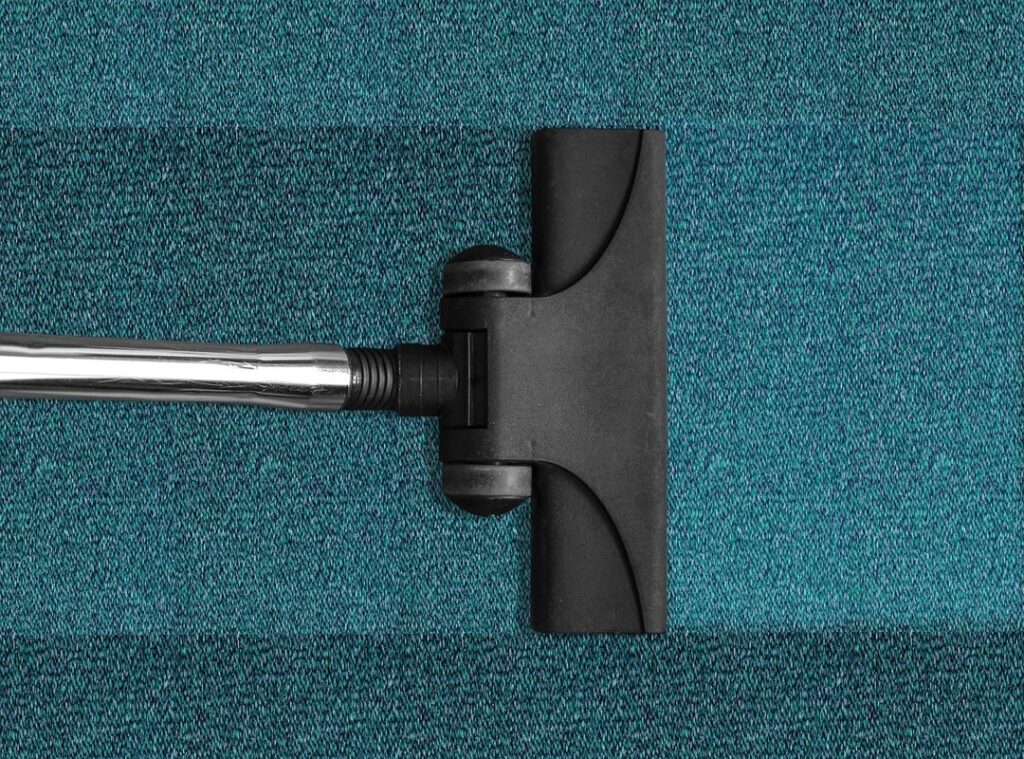
Finally, vacuum the heck out of that room. Use a vacuum with a HEPA filter. This is non-negotiable for allergy sufferers.
Cover every inch of the floor, including under the bed and furniture. Use attachments for corners and baseboards.
If you’re still unsure about something, check out the allergycleanup.pdf. It’s pretty informative. Following this checklist should help reduce those bedroom cleaning allergy issues you’ve been battling.
Trust me, it’s worth the effort. A clean bedroom means a happier you. And who doesn’t want that?
Deep-Cleaning Secrets: Beyond the Basics
Let’s get into the nitty-gritty of deep cleaning for allergy relief. We all know dust mites are hiding in our mattresses, right? Here’s the deal: vacuum your mattress with an upholstery attachment to kick out those unwelcome guests.
Do you see stains? Time to spot-treat them. I use a mix of mild detergent and water.
Now, what about steam cleaning? It’s a game-changer for carpets, upholstery, and curtains. A steam cleaner kills dust mites and denatures allergens without harsh chemicals.
After that, sprinkle some baking soda to deodorize (trust me, it works wonders) and vacuum again.
You heard that right. Our homes can be fresh and chemical-free.
Wondering about air quality? A HEPA air purifier in your bedroom can trap particles that trigger allergies. Look for a high CADR rating.
And don’t just let it sit there. Run it consistently for the best results.
Humidity is another beast. High humidity levels encourage mold and dust mite growth. Not cool.
Use a dehumidifier to keep humidity between 30-50%. It’s important for a healthier bedroom environment.
One more thing: your carpets. They’re like sponges for allergens. For the best way clean carpets effectively, a steam cleaner is your friend.
Check out best way clean carpets effectively. You have to see it to believe the difference.
So there you have it. These aren’t just tips (they’re) secrets to lasting relief. If you’re serious about tackling bedroom cleaning allergy problems, these steps make a real difference.
Isn’t it time to breathe easier?
Choose Wisely: Tools and Products that Won’t Break the Bank
So you’re staring at your dusty room, wondering, “What do I need to buy?” I get it. Let’s start with essentials that won’t empty your wallet. First up, microfiber cloths.

They’re magic. They grab every speck of dust. A HEPA filter vacuum is a must-have, too.
It’s perfect for allergy sufferers. And allergen-proof bedding covers? They’re lifesavers.
A long-handled duster is also smart for those spots you can’t reach.
Now, onto cleaning solutions. Vinegar and water are your friends. They clean surfaces without the harsh chemicals.
Fragrance-free and ‘sensitive skin’ laundry detergents are smart, too. They help avoid skin irritation. Talk about keeping things simple.
Thinking about investing in an air purifier or dehumidifier? Totally worth it if you have severe allergies. Sure, they cost more upfront, but in the long run, your lungs will thank you.
Breathing easier is priceless.
And here’s a pro tip: avoid strong chemical cleaners and aerosol sprays. They can worsen respiratory issues. Trust me, simpler solutions are better.
It’s like that moment in “Breaking Bad” when you realize the simpler plan would have saved a lot of trouble.
Remember, with the right tools, bedroom cleaning allergy relief is possible. You don’t need to go overboard. Just smart choices and the essentials.
Keep it real and keep it clean.
Allergy-Free Zone: Keep It Simple
You know how allergies can ruin a perfectly good day, right? Keeping a consistent routine is your secret weapon. Spend just 30 minutes a week on this, and you won’t need those marathon cleaning sessions.
First, wash your bedding in hot water. You’d be surprised how much dust collects there. Next, damp-dust main surfaces.
And don’t skimp on vacuuming. Use a HEPA vacuum for floors and rugs to catch all that microscopic stuff.
Clutter is your enemy, so keep it down. Empty the trash too. This routine is about maintaining your space, not making it spotless.
Does it really work? Absolutely.
Breathe Easy in Your Bedroom
Tired of waking up stuffy and sneezing? I get it. Allergies in the bedroom suck.
But follow the steps in our plan, and you’ve tackled the bedroom cleaning allergy head-on. Start with step one today. Enjoy a restful, sneeze-free night.
You’ve got this. Get cleaning now.
 Interior Styling Consultant
Agnes Pakenzone has opinions about room-specific cleaning techniques. Informed ones, backed by real experience — but opinions nonetheless, and they doesn't try to disguise them as neutral observation. They thinks a lot of what gets written about Room-Specific Cleaning Techniques, Home Care Strategies and Fixes, Interior Styling Ideas and Trends is either too cautious to be useful or too confident to be credible, and they's work tends to sit deliberately in the space between those two failure modes.
Reading Agnes's pieces, you get the sense of someone who has thought about this stuff seriously and arrived at actual conclusions — not just collected a range of perspectives and declined to pick one. That can be uncomfortable when they lands on something you disagree with. It's also why the writing is worth engaging with. Agnes isn't interested in telling people what they want to hear. They is interested in telling them what they actually thinks, with enough reasoning behind it that you can push back if you want to. That kind of intellectual honesty is rarer than it should be.
What Agnes is best at is the moment when a familiar topic reveals something unexpected — when the conventional wisdom turns out to be slightly off, or when a small shift in framing changes everything. They finds those moments consistently, which is why they's work tends to generate real discussion rather than just passive agreement.
Interior Styling Consultant
Agnes Pakenzone has opinions about room-specific cleaning techniques. Informed ones, backed by real experience — but opinions nonetheless, and they doesn't try to disguise them as neutral observation. They thinks a lot of what gets written about Room-Specific Cleaning Techniques, Home Care Strategies and Fixes, Interior Styling Ideas and Trends is either too cautious to be useful or too confident to be credible, and they's work tends to sit deliberately in the space between those two failure modes.
Reading Agnes's pieces, you get the sense of someone who has thought about this stuff seriously and arrived at actual conclusions — not just collected a range of perspectives and declined to pick one. That can be uncomfortable when they lands on something you disagree with. It's also why the writing is worth engaging with. Agnes isn't interested in telling people what they want to hear. They is interested in telling them what they actually thinks, with enough reasoning behind it that you can push back if you want to. That kind of intellectual honesty is rarer than it should be.
What Agnes is best at is the moment when a familiar topic reveals something unexpected — when the conventional wisdom turns out to be slightly off, or when a small shift in framing changes everything. They finds those moments consistently, which is why they's work tends to generate real discussion rather than just passive agreement.