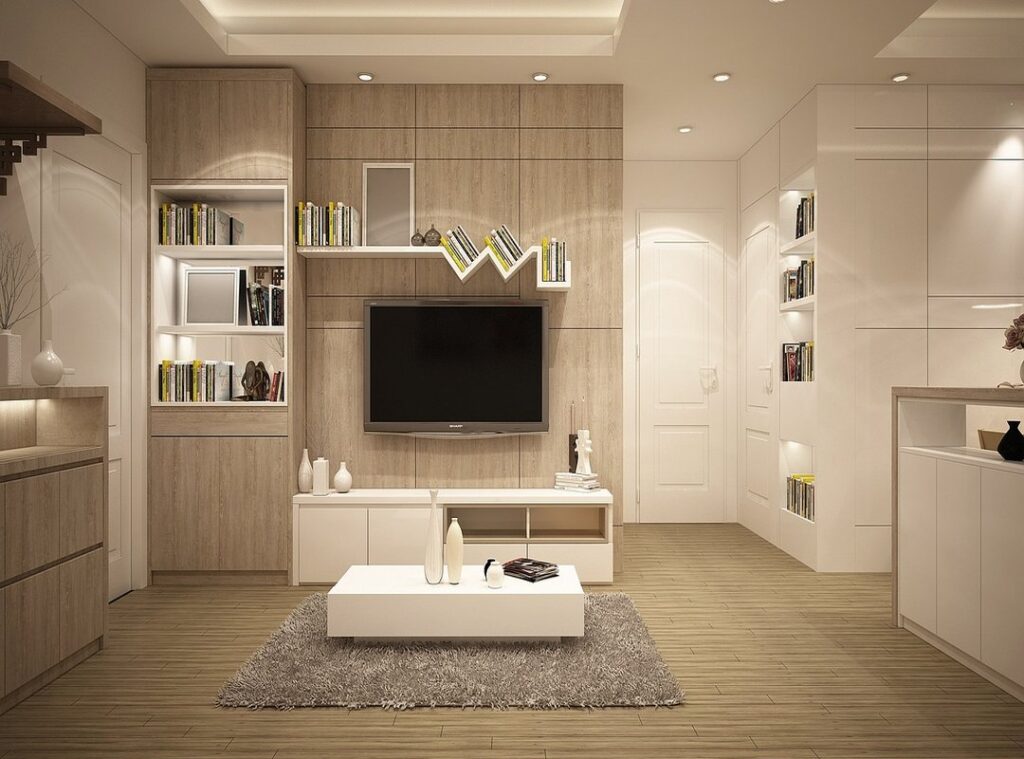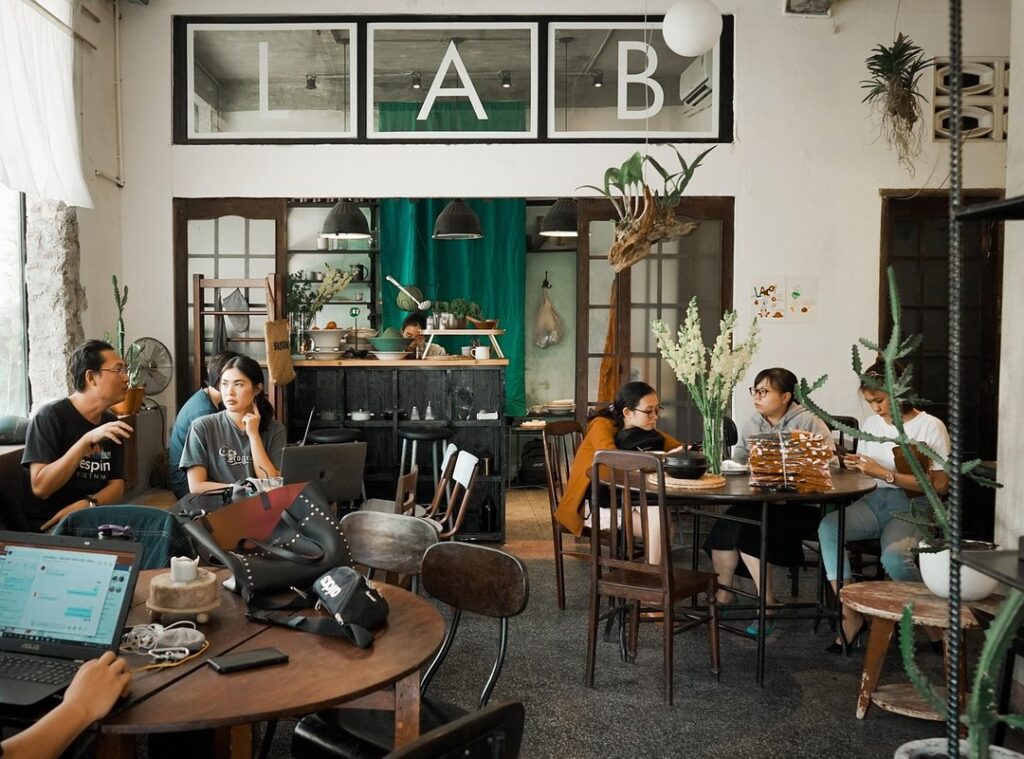
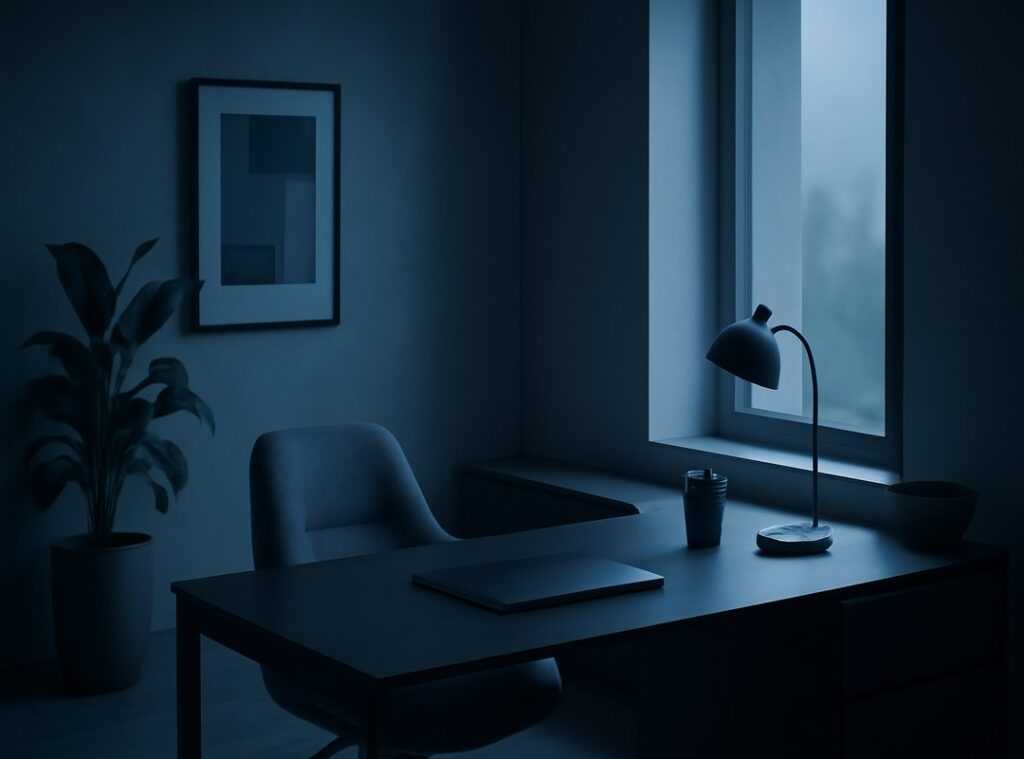
Staring at those same four walls in your living room and feeling uninspired? You’re not alone. We’ve all been there.
It’s like your space is begging for a makeover. I come in. With years of hands-on experience in interior styling, I’ve got the lowdown on what’s actually working in real homes.
Forget magazine fluff. We’re diving into color trends living rooms that are not just stylish but livable too. This guide isn’t about throwing colors at you.
It’s about creating a mood and breathing life into your space. Ready to transform that lackluster room? Let’s do this.
Beyond Beige: Your Living Room’s Hidden Power
Color isn’t just about slapping paint on walls. It’s the emotional foundation of any space. Ever felt instantly calm or suddenly energized in a room?
That’s color psychology at play. In the living room (the) heart of our homes. Colors set the mood for everything.
Whether we’re chilling with Netflix or hosting a gathering, the right palette transforms the vibe.
Think a high-impact change needs a high budget? Nope. A fresh coat of the right shade can do wonders without emptying your wallet.
It’s like magic. So why stick to beige when the world of color trends for living rooms is vast and exciting?
Pro tip: Want to maximize your space while staying trendy? Check out minimalist design tips small spaces. A well-chosen color scheme can turn any room into a masterpiece.
Don’t settle for dull. Embrace colors that speak to your soul and change your world.
Trend #1: Grounded & Earthy – The New Neutrals
I’ve noticed we’re ditching the cool grays. They’re out, and it’s about time. Instead, we’re embracing warm, nature-inspired tones.
Think terracotta, sage green, sandy beige, and deep mushroom brown. These colors aren’t just pretty (though they are). They’re calming.
They make a space feel stable, like bringing a slice of the outdoors inside.
Why this shift? It’s simple. In a world that’s constantly buzzing, we crave calm.
We want our homes to be a haven. This palette does just that. It’s grounding.
There’s something about these colors. They connect us to the earth.
Terracotta is a standout in this trend. It’s bold, yet somehow, it feels natural. Sandy beige on walls creates a serene backdrop.
It’s neutral, but not boring. Add a terracotta accent chair or cushions for warmth. Sage green?
Perfect for plants and textiles. It brings life to the room. And deep mushroom brown anchors the whole look.
It’s like the sturdy trunk of a tree, holding everything together.
A quick tip? Pair sandy beige with terracotta as your main colors. Use sage green as an accent.
Charcoal works as an anchor. This combination isn’t just about looks; it feels right. It’s balanced, and isn’t that what we’re all looking for?
So, if you’re thinking about updating your space, consider these “color trends living rooms.” They’re not just trends. They’re a shift to something more connected, more real. Embrace these tones, and let your living room breathe.
You’ll feel the difference.
Jewel Tones: The Heart of Bold & Moody
Have you noticed how jewel tones are taking over our living rooms? It’s like stepping into a cozy, luxurious cocoon. Imagine deep emerald green, rich sapphire blue, bold plum, and warm ochre.
Together, they create this inviting, dramatic vibe that’s hard to resist. And why resist? These colors transform spaces into intimate retreats.
They make your room feel like a safe haven.
Why do jewel tones work so well in living rooms? They envelop you in warmth and sophistication. It’s like each color whispers elegance.
And let’s be honest, who doesn’t want a room that feels like a personal sanctuary? Jewel tones are perfect for those who crave a bit of drama in their decor without going overboard.
Feeling hesitant to dive into this trend? Start small. A single accent wall or a large piece of velvet furniture might be all you need.
Think about balancing these deep hues with metallic accents (gold or brass is my pick) and warm lighting. It’s simple yet impactful.
Pro Tip: Use warm cream as a neutral. It softens the intensity of these colors without stealing the spotlight.
Still worried about going bold? Remember, you can always mix in some creative wall art ideas for modern homes to complement your jewel-toned space. It’s a smooth way to add personality and flair.
Ultimately, color trends in living rooms are about making a statement. Jewel tones do just that. Are you ready to embrace the bold and moody?
Trend #3: Soft & Serene – Modern Pastels Reimagined
You know those pastel colors you see in nurseries? Soft blues, baby pinks. This isn’t that.

We’re talking muted, dusty, and a lot more sophisticated. Think dusty rose, pale apricot, muted mint, and soft lavender. These are the colors that redefine elegance in a subtle way.
They’re often mixed with warm whites or light wood tones to ground the space.
Why does this trend matter? It creates a light, airy vibe. You want your living room to feel spacious?
These colors can do that. They trick the eye, making smaller areas seem larger and more open. Perfect for anyone feeling a bit cramped in their own home.
Now, let’s get practical. Imagine a room with warm white walls. Add accents of dusty rose and muted mint.
Throw in a natural oak piece for grounding. See the difference? It’s not just pretty but liberating.
These colors really thrive in rooms with a lot of natural light. Use them on the walls, and when I say use them, I mean layer them. Throw some pillows around, hang some art.
You don’t want the space to look flat, right? Layering is what gives depth and avoids a one-dimensional look.
Need more living room ideas inspiration? There’s a ton out there to get you started. The right colors change everything.
Color trends living rooms typically follow can really shape your atmosphere. So why not start now? Mix these shades today and see how your space transforms.
You’ll thank me later.
Nail Your Palette: Easy Steps for a New Look
You want to update your living room. Who doesn’t dream of staying on top of color trends living rooms? But where to start?
Right, the 60-30-10 Rule. This principle breaks down your room’s color scheme: 60% for your main color, 30% for a secondary hue, and 10% for that stand-out accent.
Next, test. Don’t just guess, or you might end up repainting. Grab some paint swatches or fabric samples.
If you’re not viewing them at different times of day, you’re missing out on seeing the true colors. Light changes everything (trust me on this one).
Start small. I’m talking pillows, throws, maybe a rug or an accent wall. Skip the full room overhaul until you’re sure.
It’s less painful to swap out a pillow than repainting four walls when things go wrong.
Think about what you already own. Your floors and furniture aren’t going anywhere. So pick a palette that plays nice with them.
Clashing with your permanent fixtures is a disaster waiting to happen.
Feeling a bit unsure about how to piece it all together? That’s OK. We all are at times.
Embrace the bold colors, or maybe start subtle. Just make sure it’s you.
Transform Your Space Now
Feeling stuck with a dull living room? I get it. The secret lies in using color trends living rooms to revamp your space.
Find the palette that speaks to you. Grab some samples and start your transformation today. Your perfect living room is just a brushstroke away.
 Interior Styling Consultant
Agnes Pakenzone has opinions about room-specific cleaning techniques. Informed ones, backed by real experience — but opinions nonetheless, and they doesn't try to disguise them as neutral observation. They thinks a lot of what gets written about Room-Specific Cleaning Techniques, Home Care Strategies and Fixes, Interior Styling Ideas and Trends is either too cautious to be useful or too confident to be credible, and they's work tends to sit deliberately in the space between those two failure modes.
Reading Agnes's pieces, you get the sense of someone who has thought about this stuff seriously and arrived at actual conclusions — not just collected a range of perspectives and declined to pick one. That can be uncomfortable when they lands on something you disagree with. It's also why the writing is worth engaging with. Agnes isn't interested in telling people what they want to hear. They is interested in telling them what they actually thinks, with enough reasoning behind it that you can push back if you want to. That kind of intellectual honesty is rarer than it should be.
What Agnes is best at is the moment when a familiar topic reveals something unexpected — when the conventional wisdom turns out to be slightly off, or when a small shift in framing changes everything. They finds those moments consistently, which is why they's work tends to generate real discussion rather than just passive agreement.
Interior Styling Consultant
Agnes Pakenzone has opinions about room-specific cleaning techniques. Informed ones, backed by real experience — but opinions nonetheless, and they doesn't try to disguise them as neutral observation. They thinks a lot of what gets written about Room-Specific Cleaning Techniques, Home Care Strategies and Fixes, Interior Styling Ideas and Trends is either too cautious to be useful or too confident to be credible, and they's work tends to sit deliberately in the space between those two failure modes.
Reading Agnes's pieces, you get the sense of someone who has thought about this stuff seriously and arrived at actual conclusions — not just collected a range of perspectives and declined to pick one. That can be uncomfortable when they lands on something you disagree with. It's also why the writing is worth engaging with. Agnes isn't interested in telling people what they want to hear. They is interested in telling them what they actually thinks, with enough reasoning behind it that you can push back if you want to. That kind of intellectual honesty is rarer than it should be.
What Agnes is best at is the moment when a familiar topic reveals something unexpected — when the conventional wisdom turns out to be slightly off, or when a small shift in framing changes everything. They finds those moments consistently, which is why they's work tends to generate real discussion rather than just passive agreement.