Feeling overwhelmed by Pinterest boards and flashy design shows? Trust me, I’ve been there. Creating a stylish home shouldn’t be about stress or high costs.
I’ve spent years transforming chaotic spaces into calm sanctuaries. this guide comes in.
Forget the complexity. I promise a roadmap to simple, beautiful decor. You need a home that feels personal, not empty.
This isn’t about stripping away everything. It’s about making space for what truly matters.
I get it, the idea of minimalist interior design can sound empty, even cold. But it’s the opposite. It’s about bringing peace into your home without the fuss.
You deserve a space that’s both beautiful and yours. Stick around, because I’m sharing exactly how to make that happen.
Declutter with Purpose: The Key to Simple Decor
Decluttering isn’t just spring cleaning. It’s the foundation of minimalist interior design. You can’t create a peaceful space when you’re surrounded by chaos, right?
Let’s talk plan. I recommend the “One Room, One Weekend” challenge. Yep, tackle the easiest room first.
Why? Because starting small builds momentum. You’ll feel accomplished and ready to handle bigger spaces.
Now onto the method: four categories. Keep, Donate, Trash, Relocate. Pretty straightforward.
Ask yourself, does this item serve a purpose or bring joy? If not, it’s time to let go. A broken lamp that you think you’ll fix?
Trash it. A sweater you haven’t worn in years? Donate it.
Pro tip: If something belongs in another room, don’t let it sit where it doesn’t belong. Just relocate it. Keeping things where they should be makes life easier.
Here’s the kicker. A clutter-free space isn’t just physically freeing. It clears your mind and makes decorating a breeze.
Want to play around with the latest looks? Check out top 2023 color trends living rooms. A clean slate opens up endless possibilities.
Ask yourself, when was the last time you truly relaxed in your living room? If it’s hard to remember, it might be because you’re subconsciously stressed by clutter. Simplifying your space means simplifying your life.
A little order can turn chaos into calm, and what’s better than a home that feels like a retreat?
Building Your Simple Palette: Cohesive Colors Matter
Choosing colors for your home can feel like trying to find a needle in a haystack of paint swatches. Seriously, who knew there were 50 shades of beige? But let’s cut to the chase.
The 60-30-10 rule is your secret weapon. It’s a simple guideline to bring harmony to your space without driving you nuts. This isn’t about following rules like you’re painting by numbers.
It’s about giving you the power to create something that feels just right.
So, here’s what I mean. You use 60% for your dominant color. Think big: walls, large furniture.
Usually, a neutral works best here. Something like a soft white or light gray. Next, you’ve got 30% for your secondary color.
This is where you can have a bit more fun. Think curtains or accent chairs. Finally, there’s the 10% for those little pops of personality, like pillows or art pieces that catch the eye.
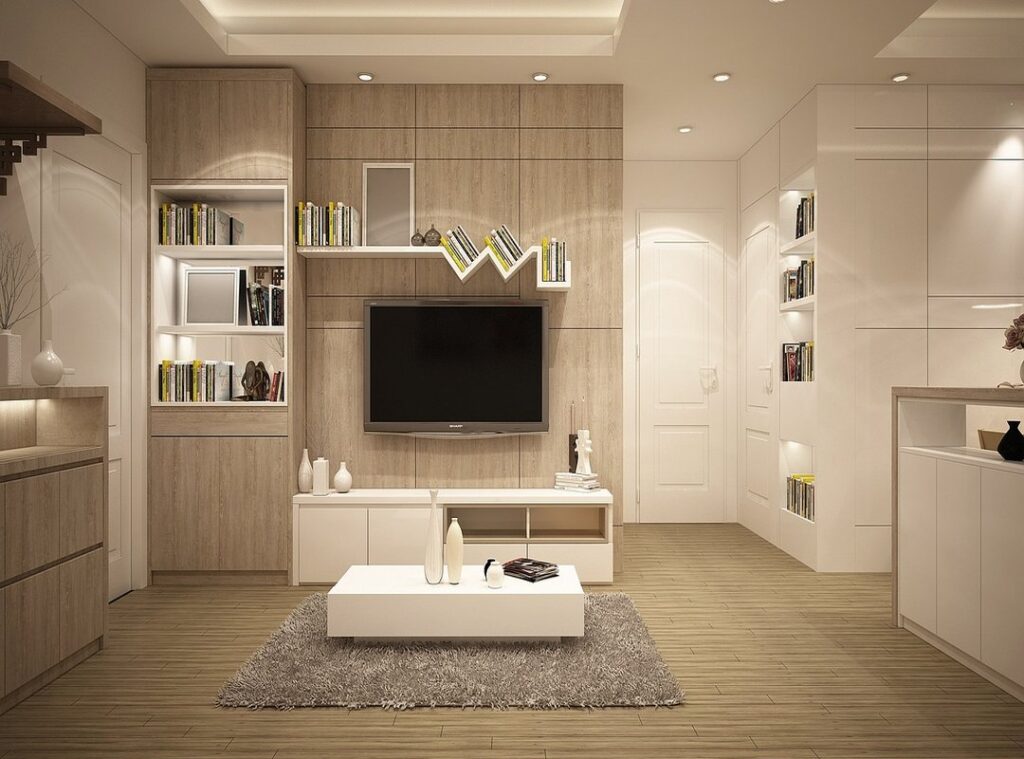
Let’s talk examples. How about a warm neutrals palette? Try beige, soft white, and a hint of rust.
Totally timeless. Or, if you’re into cooler vibes, imagine light gray mixed with navy and a splash of silver. You’d be surprised how these combos can transform a space.
Now, about natural light. You know how studios always have those big windows to make tiny rooms look bigger? Same trick works at home.
Use lighter colors to boost light and space. You’ll see the difference, trust me. It’s like opening up your room without knocking down walls.
And remember, minimalist interior design isn’t about being boring. It’s about creating a backdrop where your personal touches can really pop. So if you’re still on the hunt for inspiration, check out best minimal decor ideas.
It’s a good way to kickstart your creativity.
Adding Warmth & Personality: Cozy Without the Clutter
Minimalist interior design doesn’t have to mean cold and uninviting. You want warmth, right? Let’s get into it.
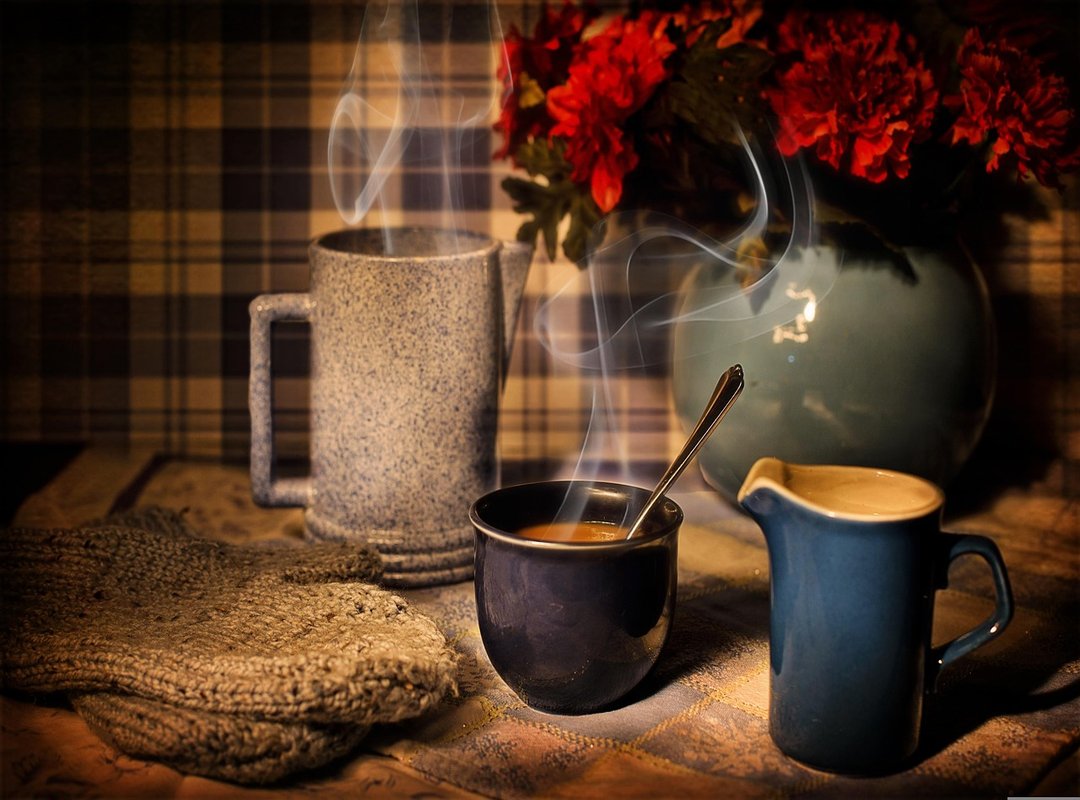
First, master textiles. You might think textiles are just afterthoughts, but they’re not. Throws, pillows, and area rugs can transform a space.
Take a chunky knit throw on a smooth leather chair. See how it adds depth? That’s the magic of textures.
And let’s not forget nature. Bringing plants indoors? It’s like instant coziness.
If you’re worried about taking care of them, go for low-maintenance options. Snake plants and pothos are great for beginners. Even a vase with fresh-cut branches can raise a room (sounds fancy, but it’s easy).
You don’t need a jungle; just a touch of green can do wonders.
Now, storage. Yes, storage can be stylish. Why settle for boring when you can make your storage a statement?
Use beautiful baskets for blankets. A stylish tray for remotes. Or a wooden bowl for keys by the door.
They’re not just functional; they’re decorative.
Feeling inspired yet? You can integrate creative wall art ideas modern homes to add personality without a mess. Art can reflect who you are, turning blank walls into expressions of your style.
By focusing on these key elements, your home will feel lived-in and cozy. The goal is comfort that doesn’t scream minimalism (but whispers it). Embrace the warmth and personality without cluttering your space.
Trust me, you’ll love the result. Plus, it’s simpler than one might think. Minimalist does not mean sparse.
You can have it all. Style, warmth, and personality. Let’s make your space feel like home.
Quick Fixes: High-Impact Changes You Can Make Today
Feeling stuck in a home that doesn’t quite feel right? I get it. Small changes can make a world of difference. to some minimalist interior design tips you can start today.
- Create a Focal Point: Pick one item to draw the eye in each room. A standout piece of art or that fireplace nobody uses works wonders. Need ideas? Just think of the window with that killer view you keep ignoring.
- Audit Your Lighting: Switch out those harsh overhead bulbs for warmer tones. Lamps are your friends. Add one (floor or table) to make the space cozier. You’ll thank me later when you actually want to spend time there.
- Group Small Items: Ever heard of the ‘Rule of Three’? Group your small decor items in odd numbers on a tray or shelf. It feels intentional and looks polished.
- Clear Your Surfaces: Trust me on this one. Clear 50% of stuff off your main surfaces like the coffee table and dresser. Instant calm.
Who knew cleaning house could be this simple? Which tip will you try first?
Transform Your Space with Simplicity
Feeling overwhelmed by the chaos of home decor? It doesn’t have to be that way. The key is a ‘less but better’ approach, focusing on minimalist interior design.
You’re not alone in wanting a stylish home without the clutter. Imagine a space where every piece is intentional, creating a peaceful environment that’s truly yours. Sounds ideal, right?
Start by choosing one room and one tip from this guide to tackle this weekend. You’ll be amazed at the difference it makes. Ready to transform your home into a serene haven?
Dive in, simplify, and see the magic unfold.
 Interior Styling Consultant
Agnes Pakenzone has opinions about room-specific cleaning techniques. Informed ones, backed by real experience — but opinions nonetheless, and they doesn't try to disguise them as neutral observation. They thinks a lot of what gets written about Room-Specific Cleaning Techniques, Home Care Strategies and Fixes, Interior Styling Ideas and Trends is either too cautious to be useful or too confident to be credible, and they's work tends to sit deliberately in the space between those two failure modes.
Reading Agnes's pieces, you get the sense of someone who has thought about this stuff seriously and arrived at actual conclusions — not just collected a range of perspectives and declined to pick one. That can be uncomfortable when they lands on something you disagree with. It's also why the writing is worth engaging with. Agnes isn't interested in telling people what they want to hear. They is interested in telling them what they actually thinks, with enough reasoning behind it that you can push back if you want to. That kind of intellectual honesty is rarer than it should be.
What Agnes is best at is the moment when a familiar topic reveals something unexpected — when the conventional wisdom turns out to be slightly off, or when a small shift in framing changes everything. They finds those moments consistently, which is why they's work tends to generate real discussion rather than just passive agreement.
Interior Styling Consultant
Agnes Pakenzone has opinions about room-specific cleaning techniques. Informed ones, backed by real experience — but opinions nonetheless, and they doesn't try to disguise them as neutral observation. They thinks a lot of what gets written about Room-Specific Cleaning Techniques, Home Care Strategies and Fixes, Interior Styling Ideas and Trends is either too cautious to be useful or too confident to be credible, and they's work tends to sit deliberately in the space between those two failure modes.
Reading Agnes's pieces, you get the sense of someone who has thought about this stuff seriously and arrived at actual conclusions — not just collected a range of perspectives and declined to pick one. That can be uncomfortable when they lands on something you disagree with. It's also why the writing is worth engaging with. Agnes isn't interested in telling people what they want to hear. They is interested in telling them what they actually thinks, with enough reasoning behind it that you can push back if you want to. That kind of intellectual honesty is rarer than it should be.
What Agnes is best at is the moment when a familiar topic reveals something unexpected — when the conventional wisdom turns out to be slightly off, or when a small shift in framing changes everything. They finds those moments consistently, which is why they's work tends to generate real discussion rather than just passive agreement.